OUR WORK: ECOLOGICAL MONITORING
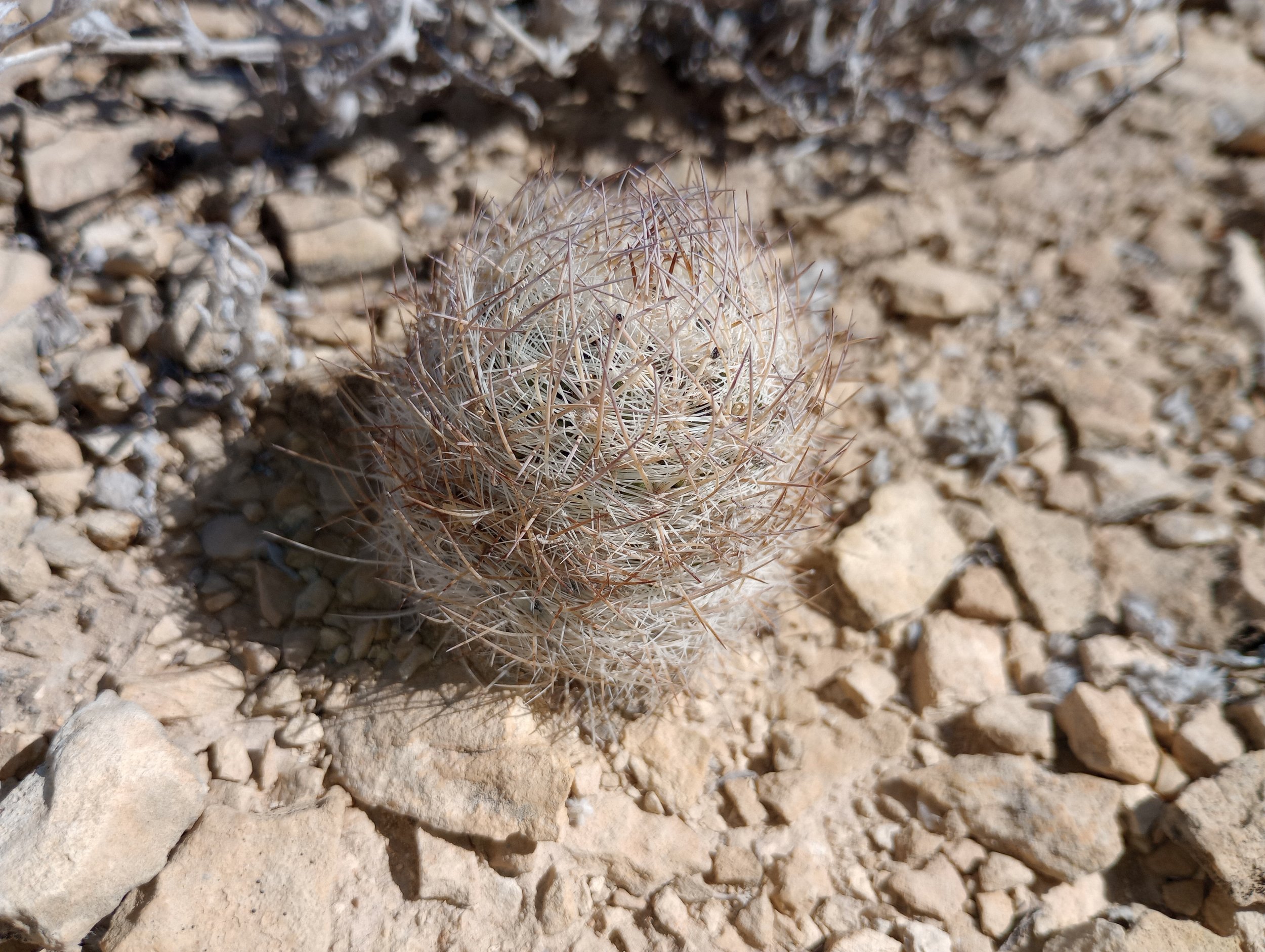
Lloyd’s Mariposa Cactus
-
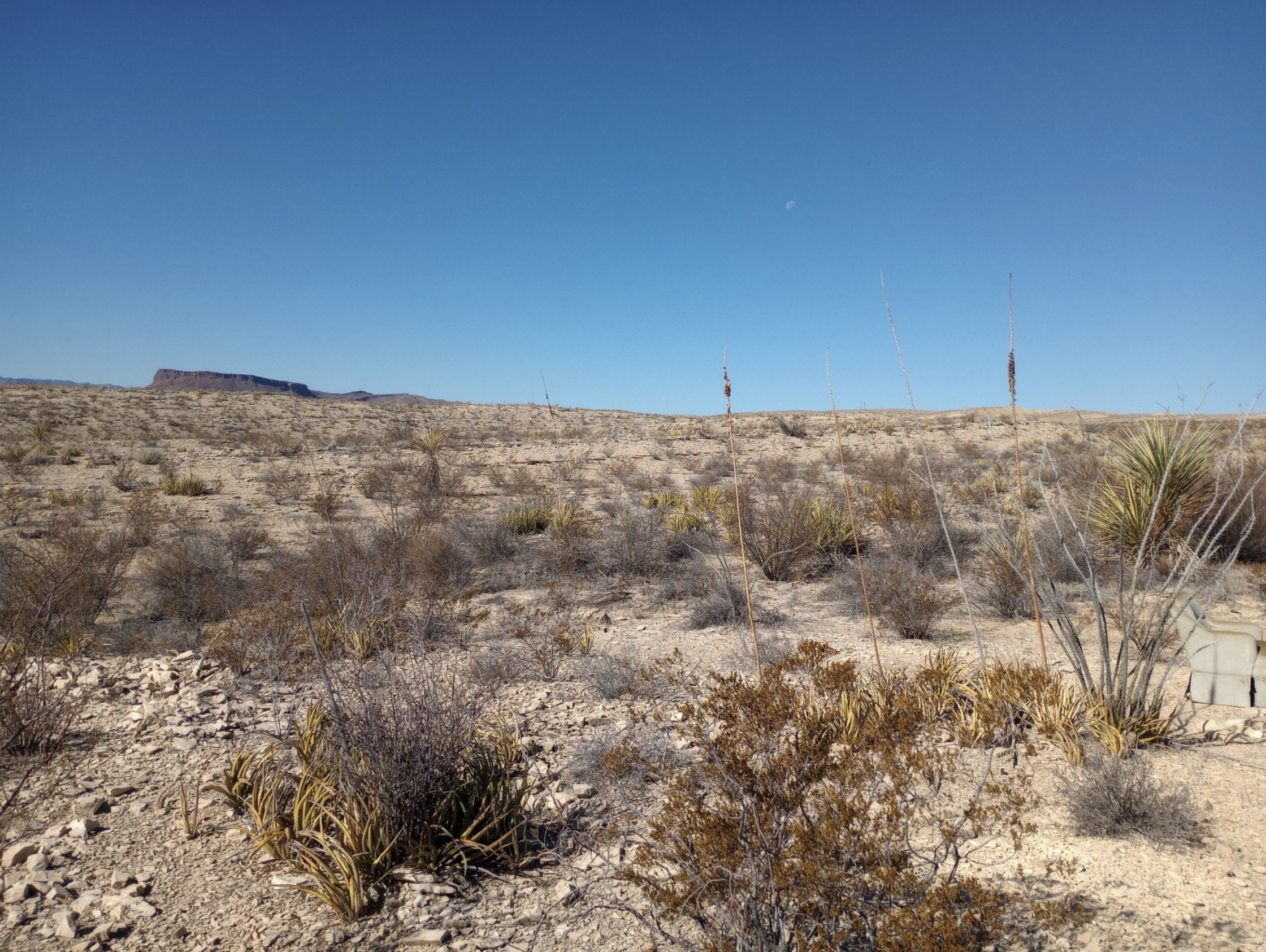
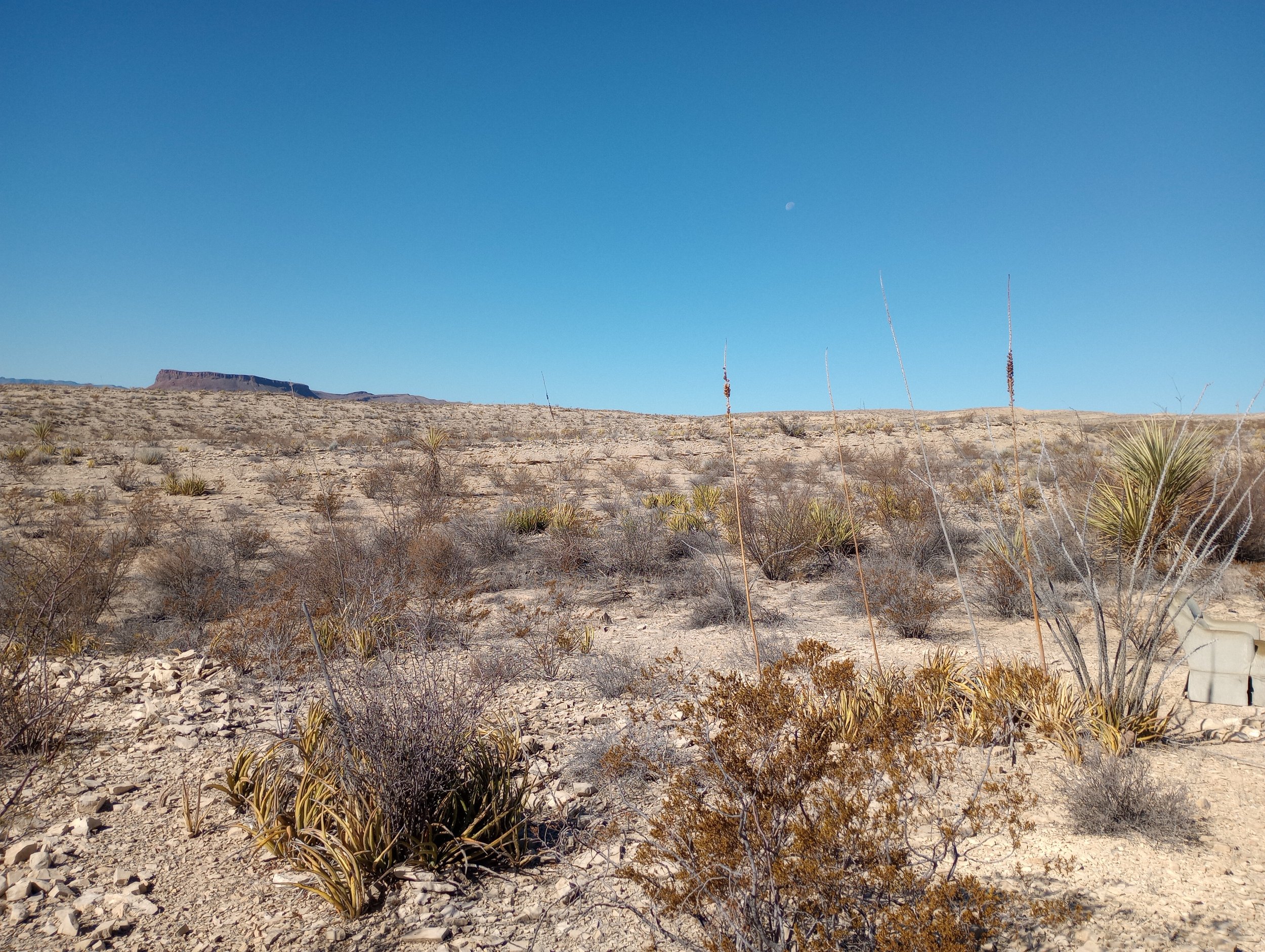
West Texas, USA
-
To determine if detection dogs can detect this tiny and elusive rare cactus to help better understand its range and find new populations
-
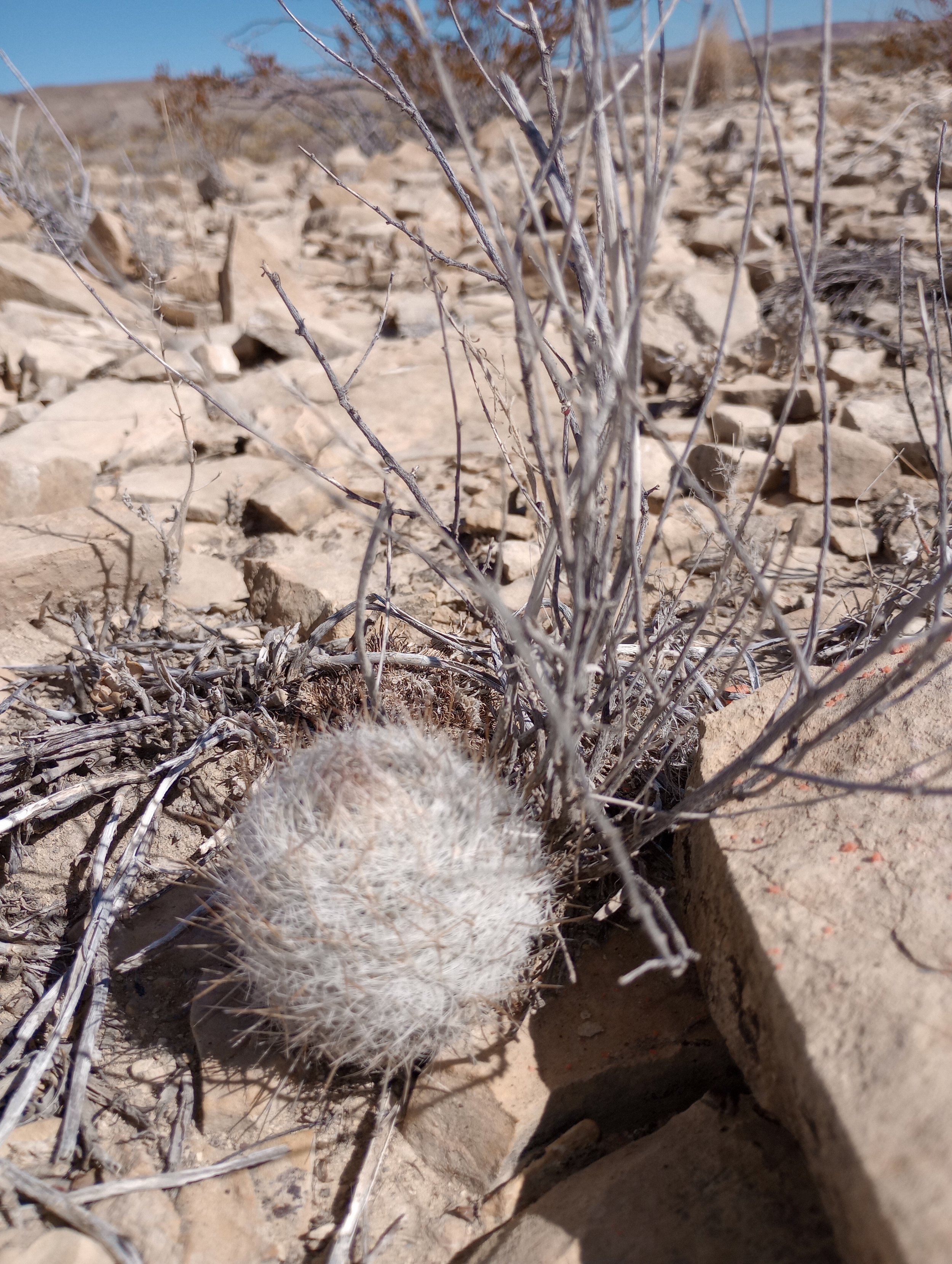
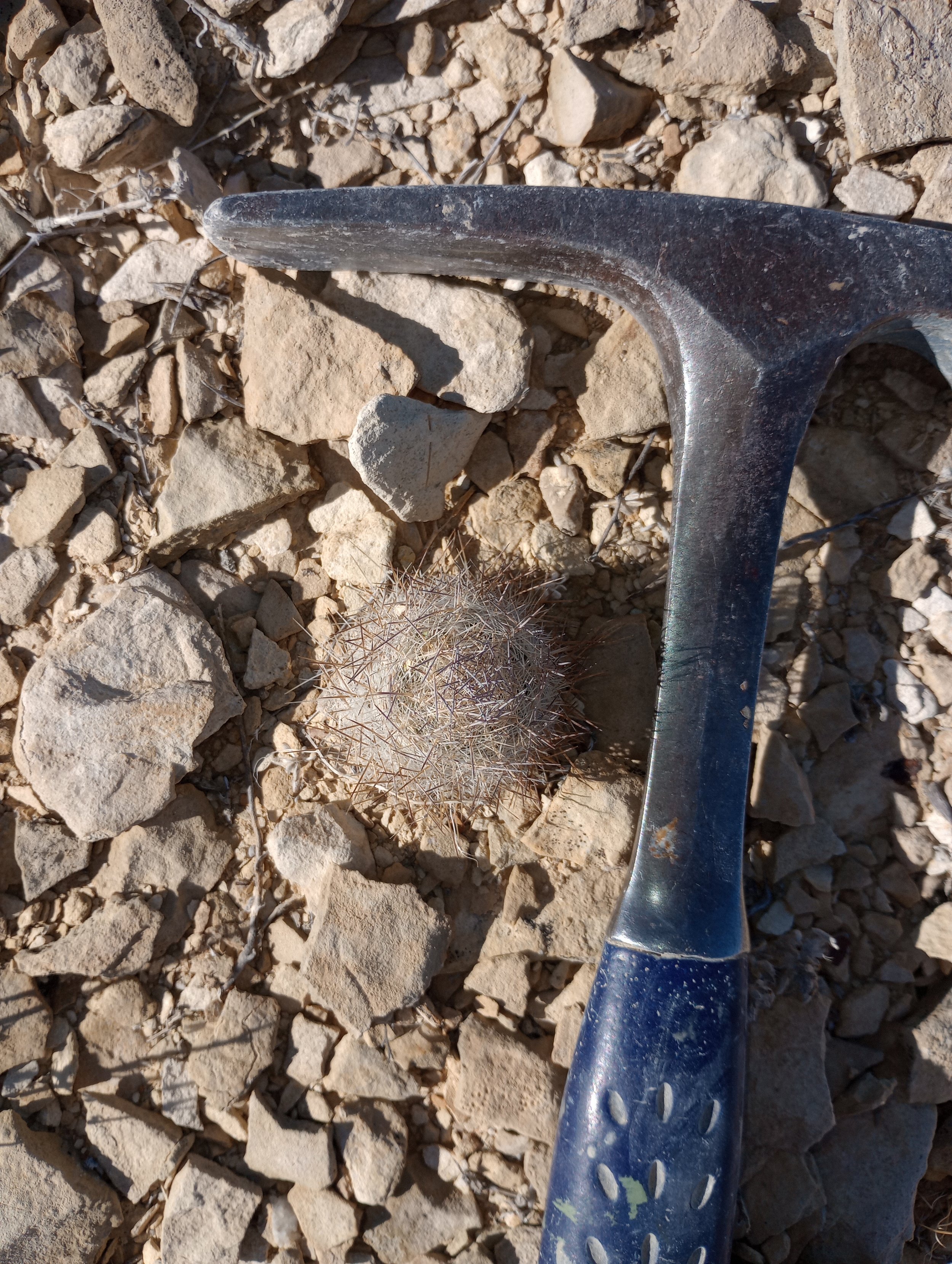
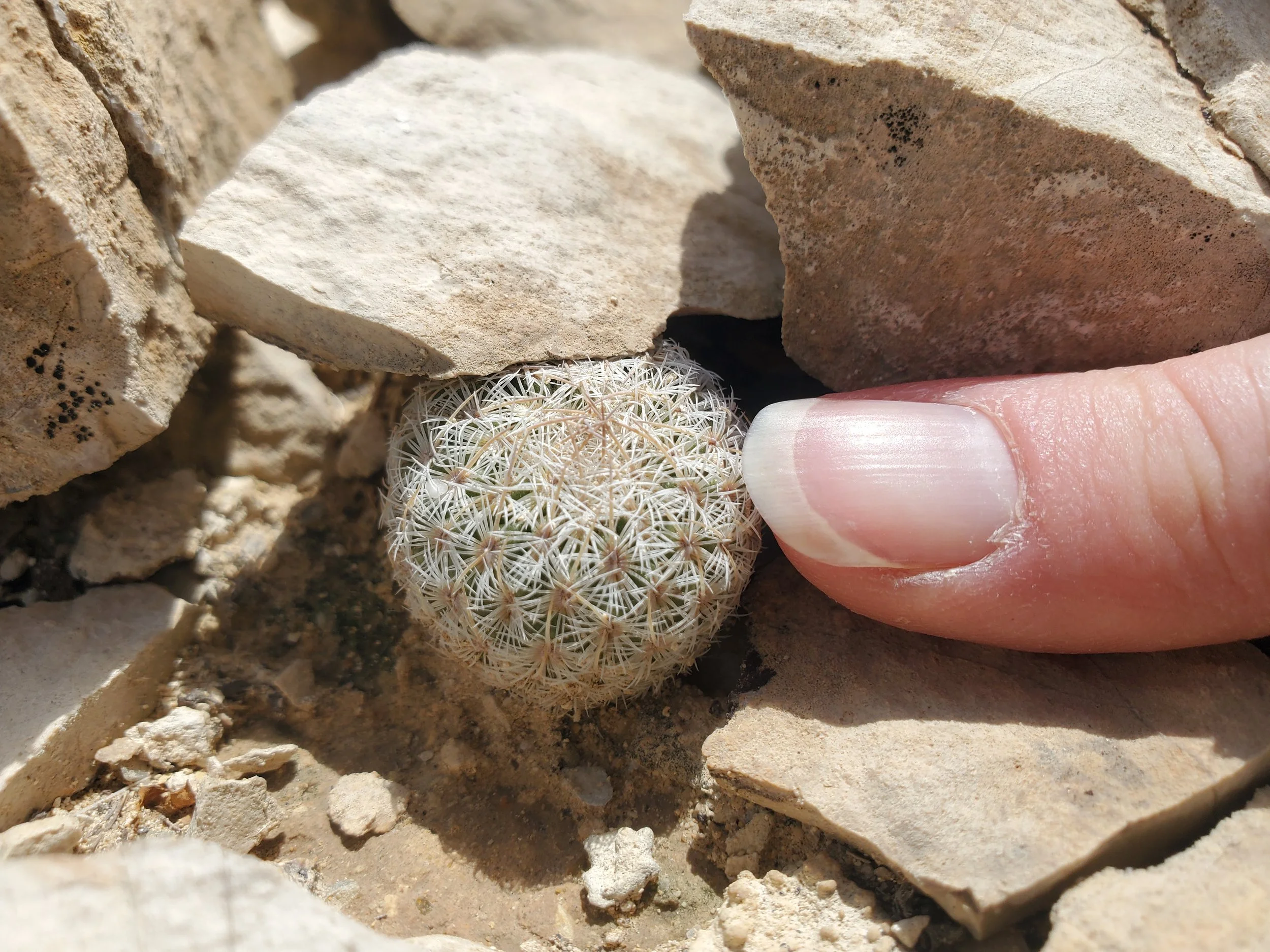
Protected Lloyd’s mariposa cactus
-
Texas Parks & Wildlife Department, Conservation License Plate Program, Sp8 Ecoservices, LLC
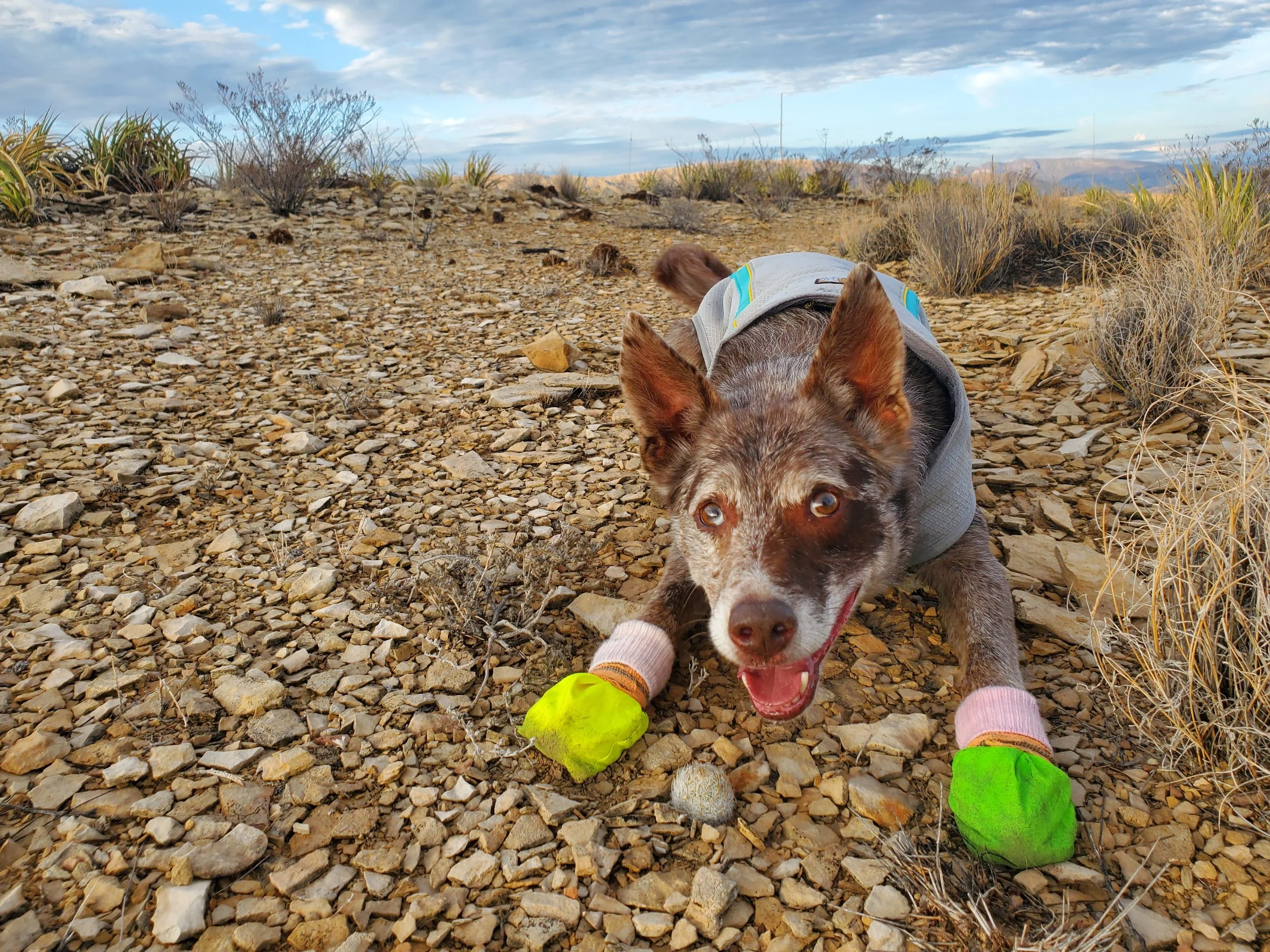
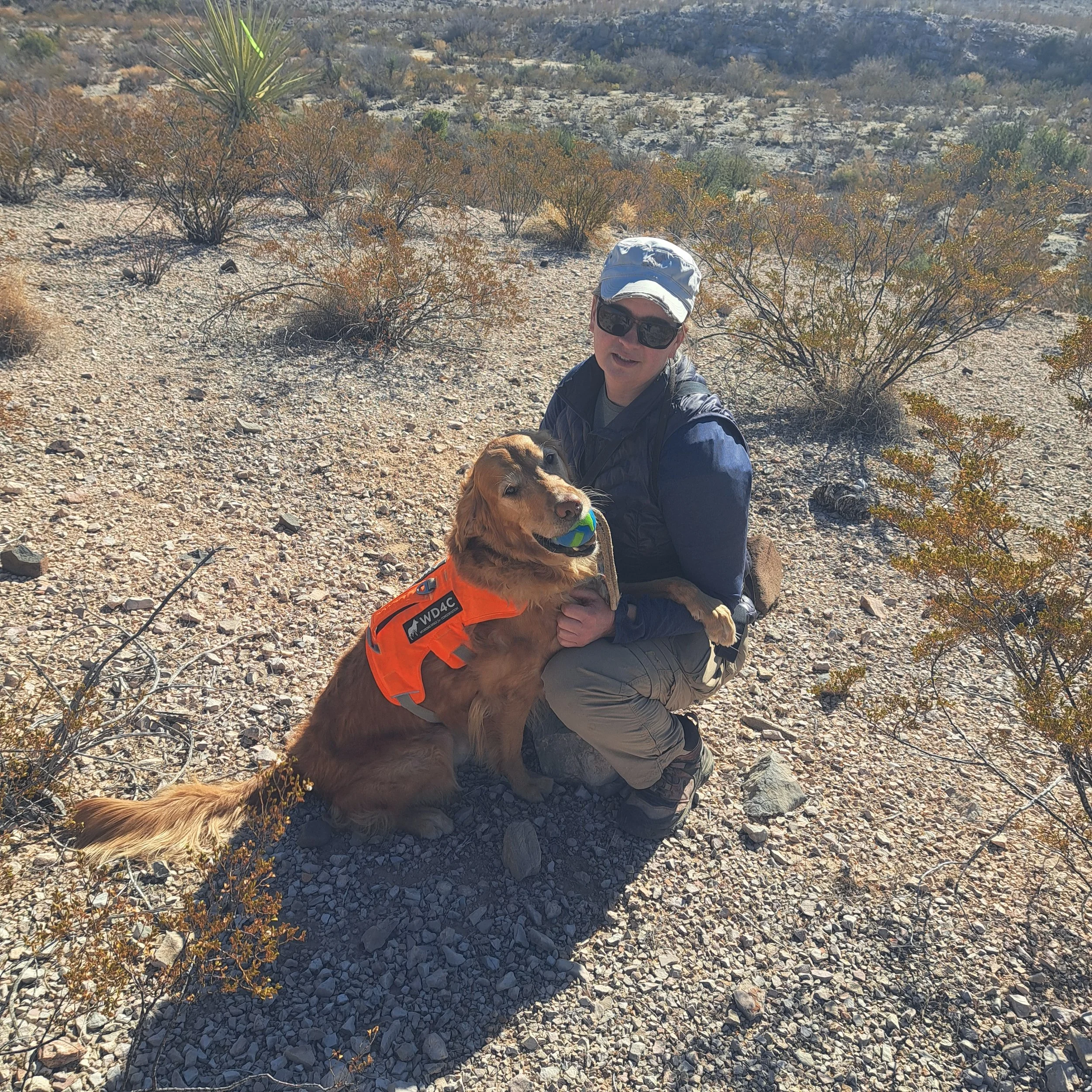
The dogs can search quickly and find that specific species of cactus in the desert, allowing us to find new, not yet mapped populations, which is critical to the preservation of this species.
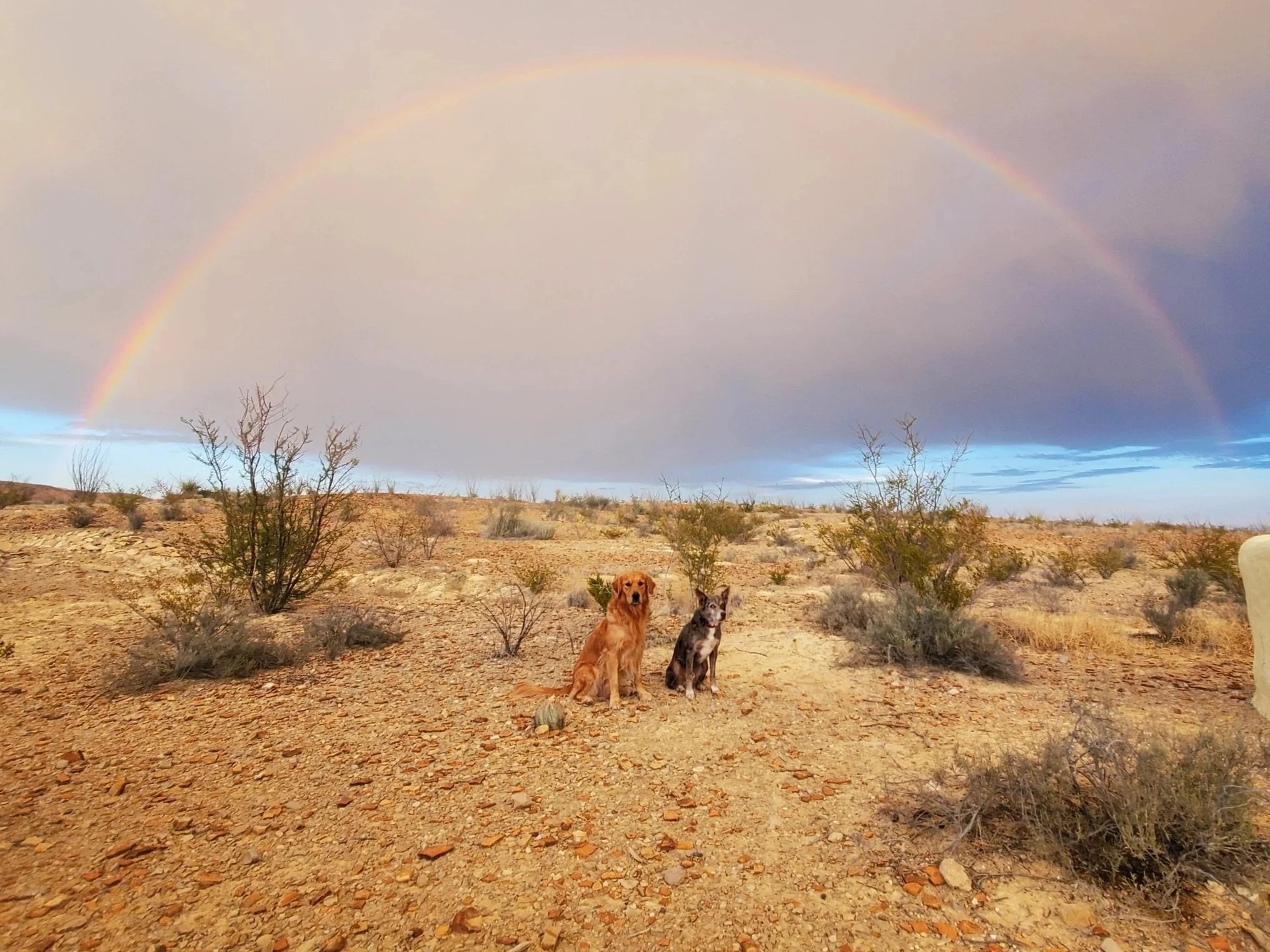
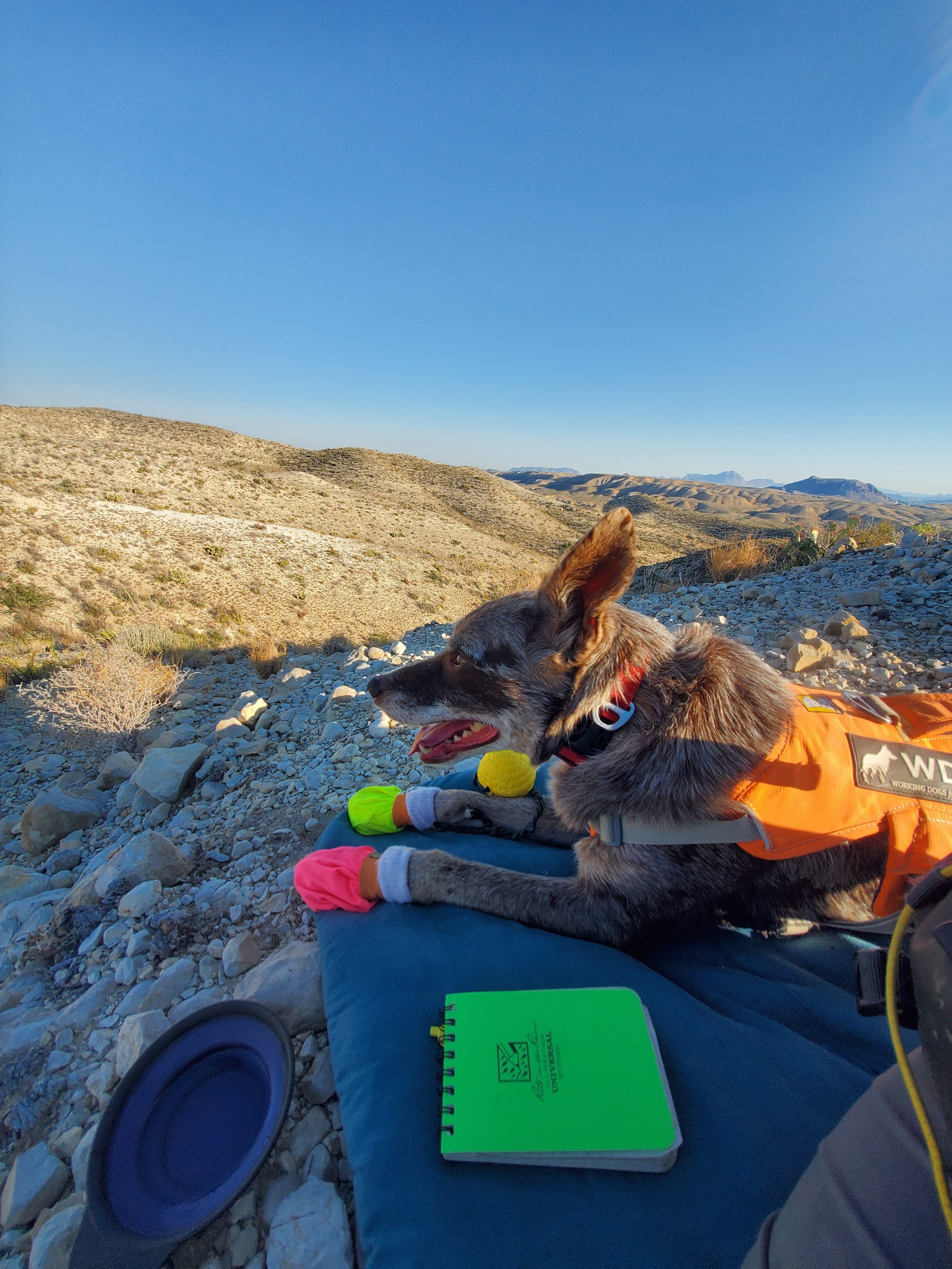
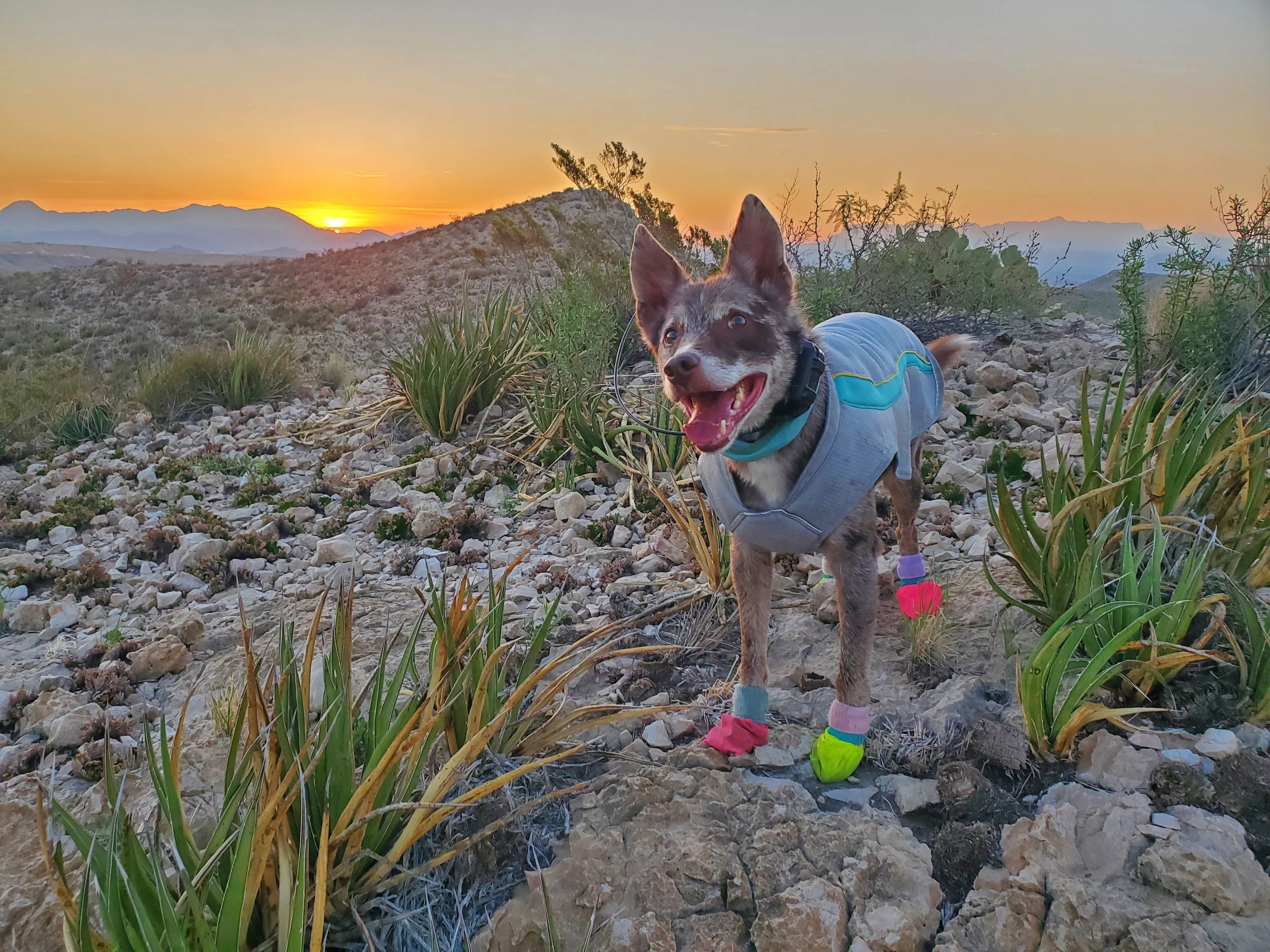
(In loving memory of legacy dog Tony and the vital role he played in this work before losing his battle to cancer).
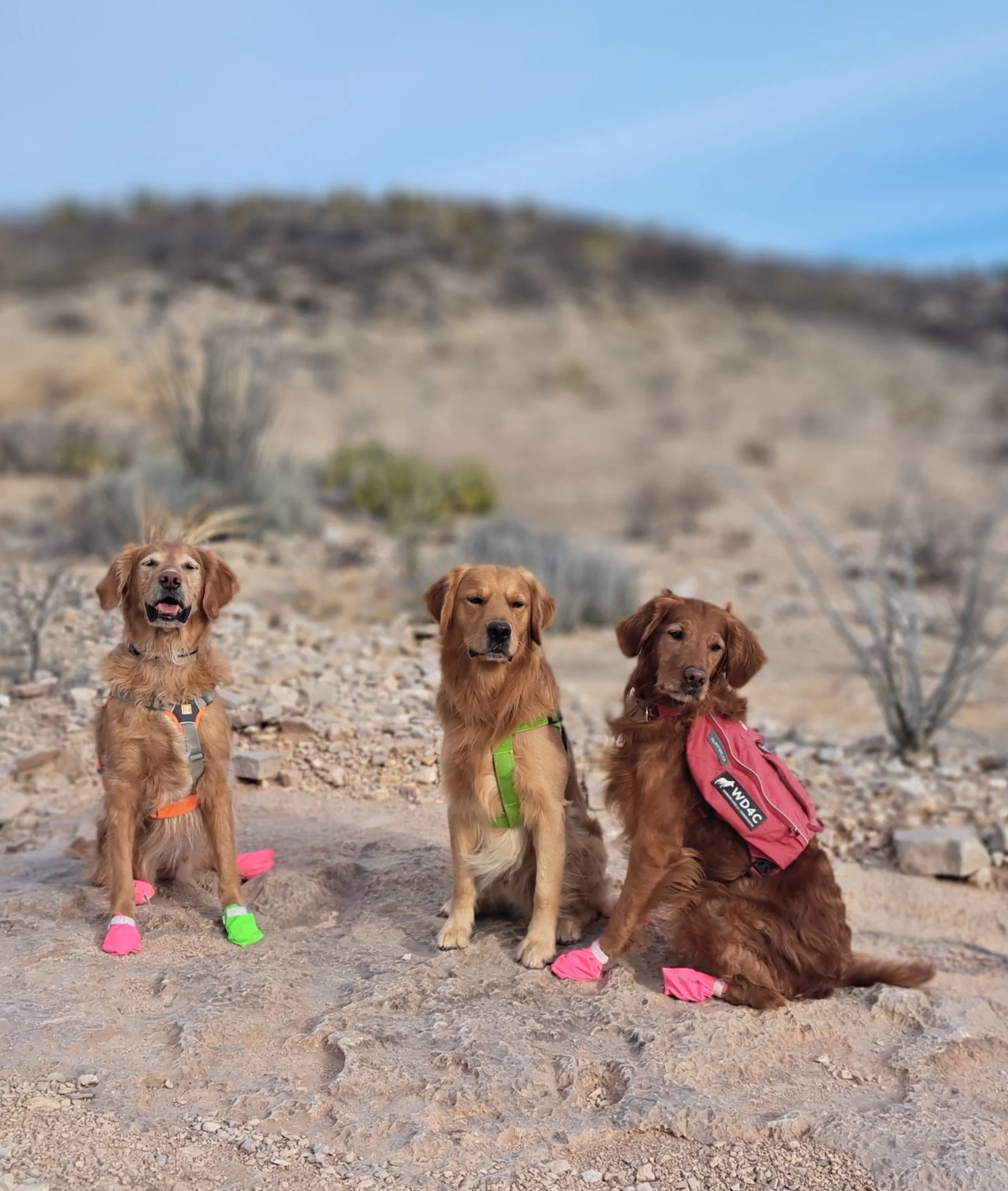
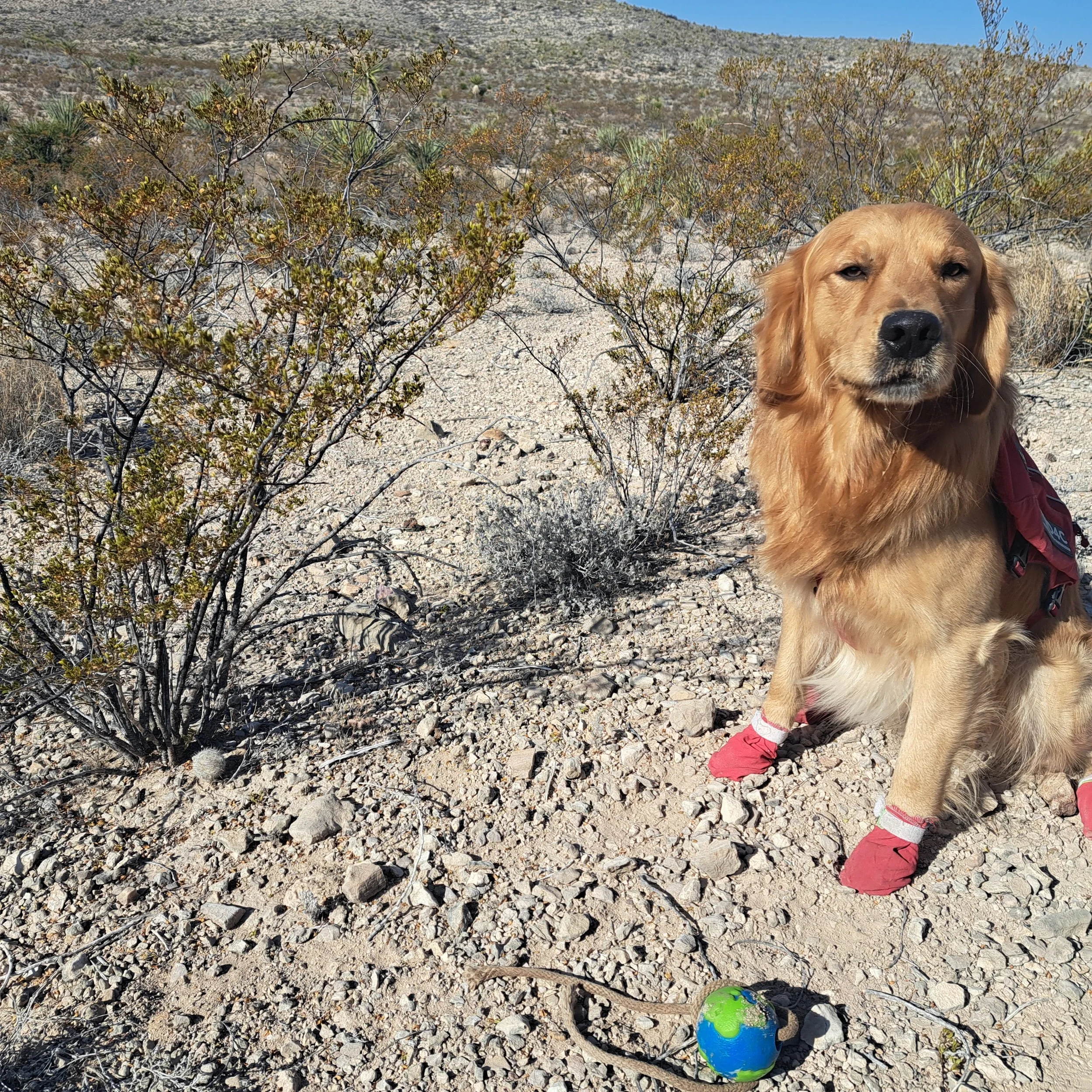
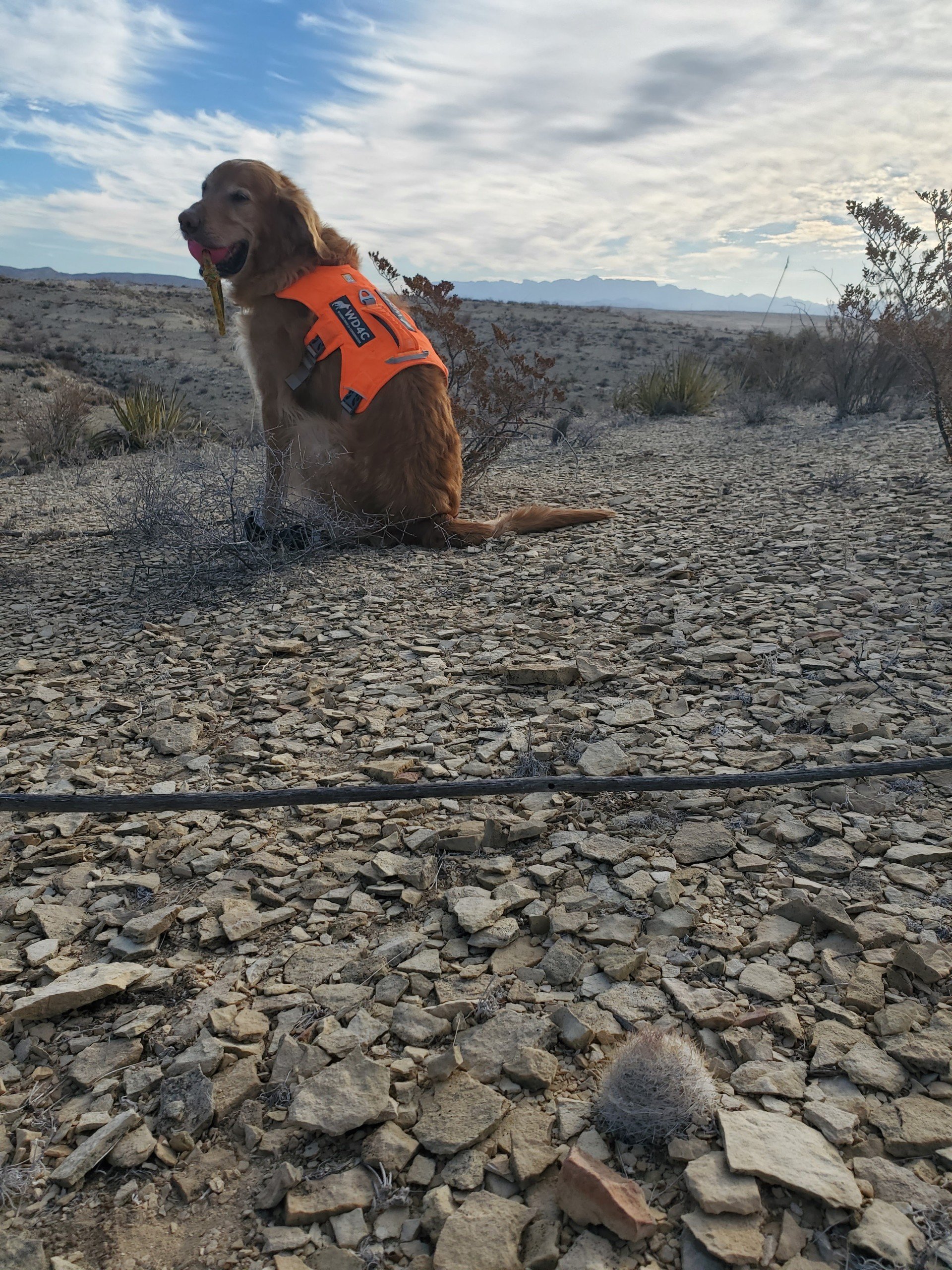
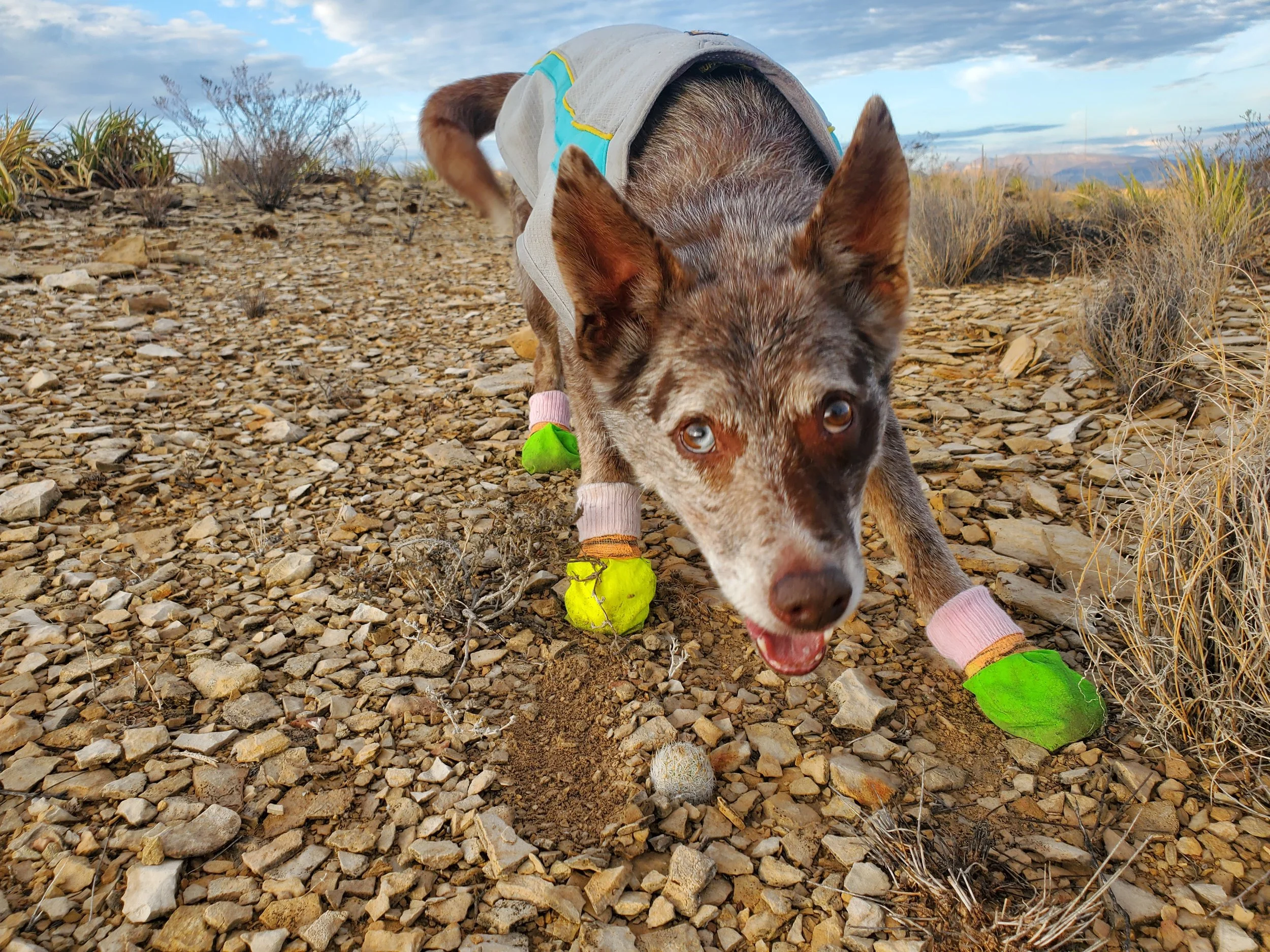
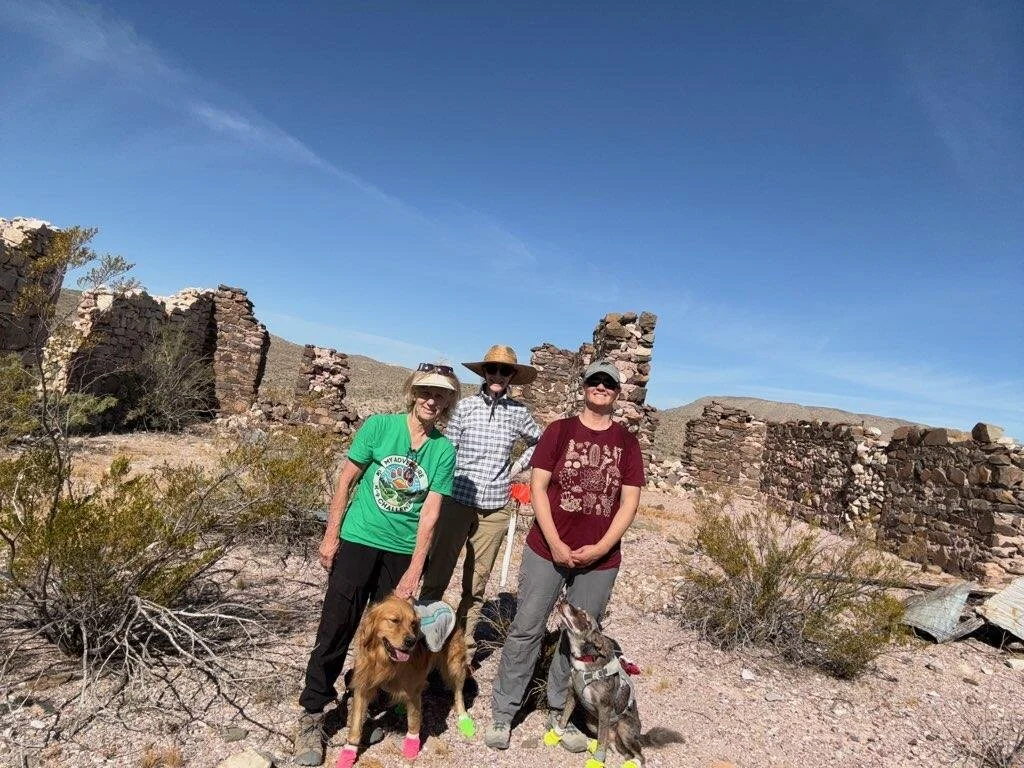
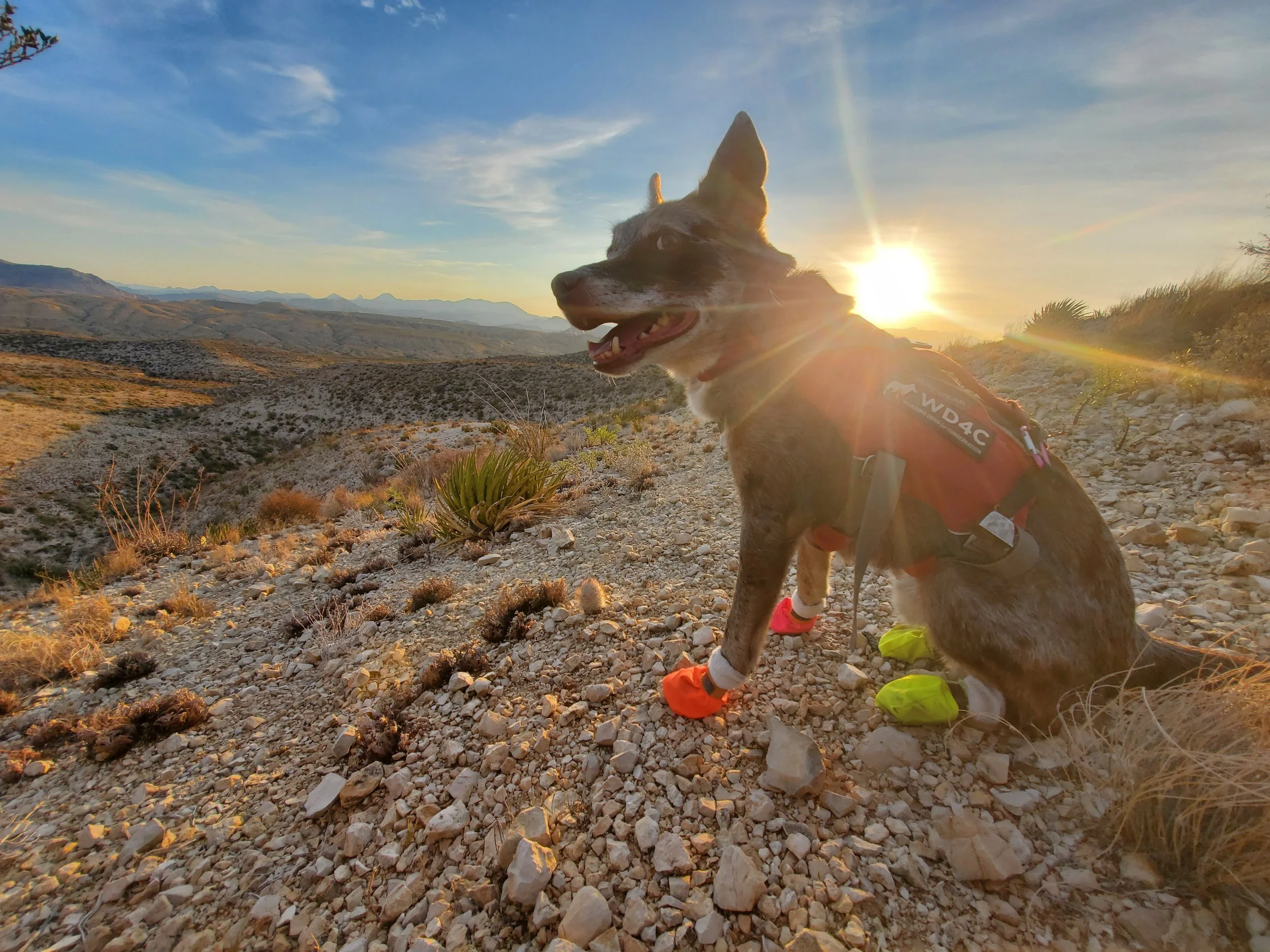
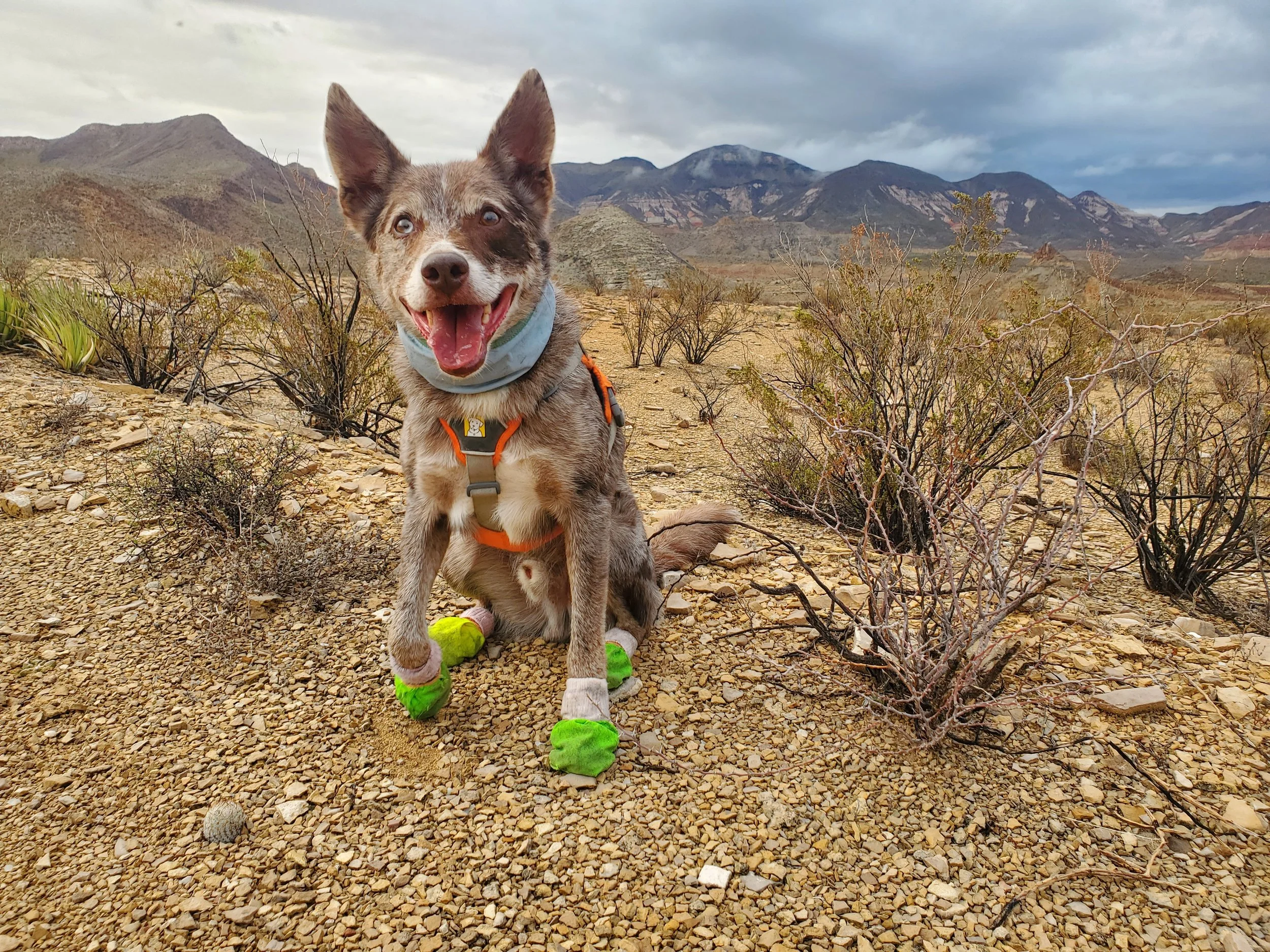
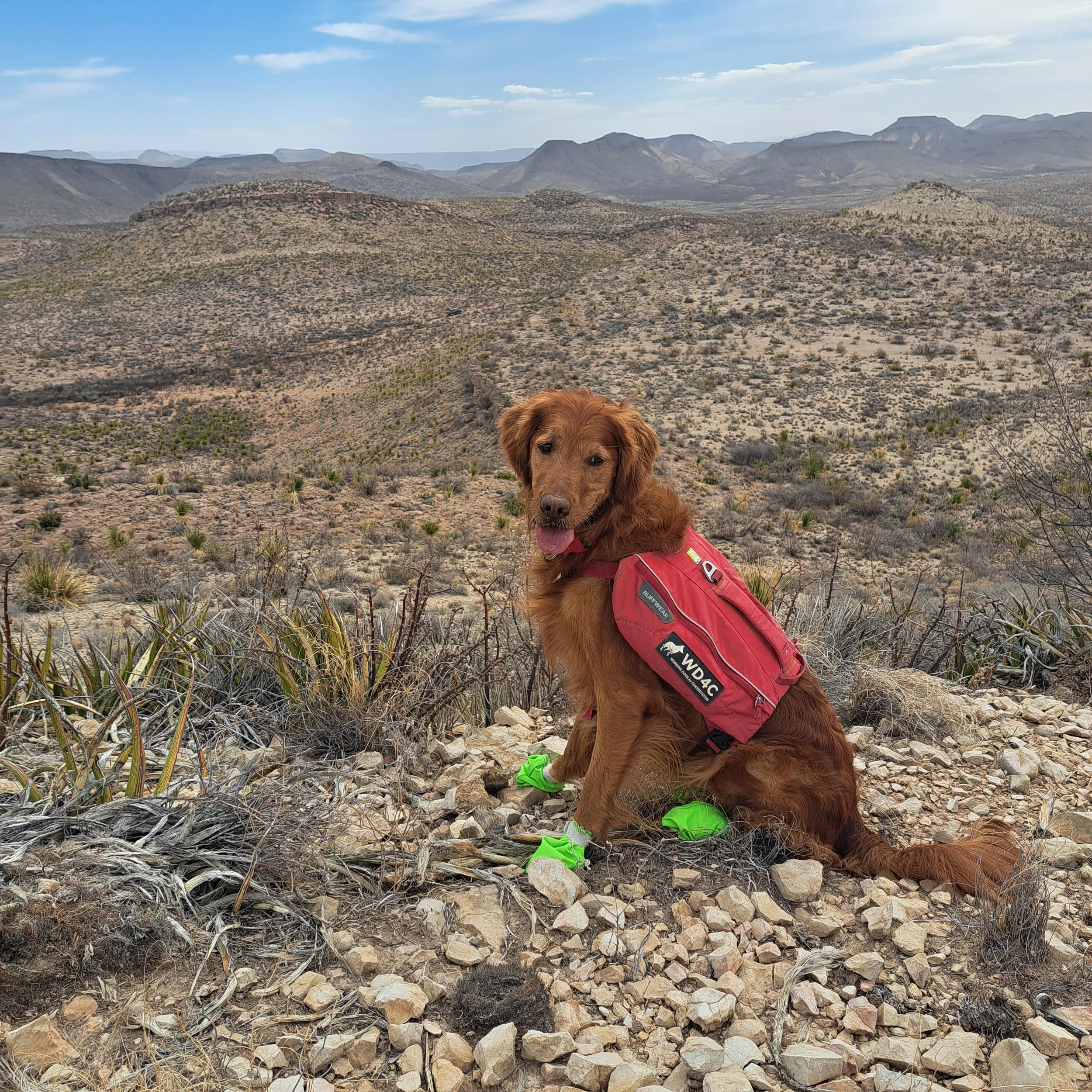
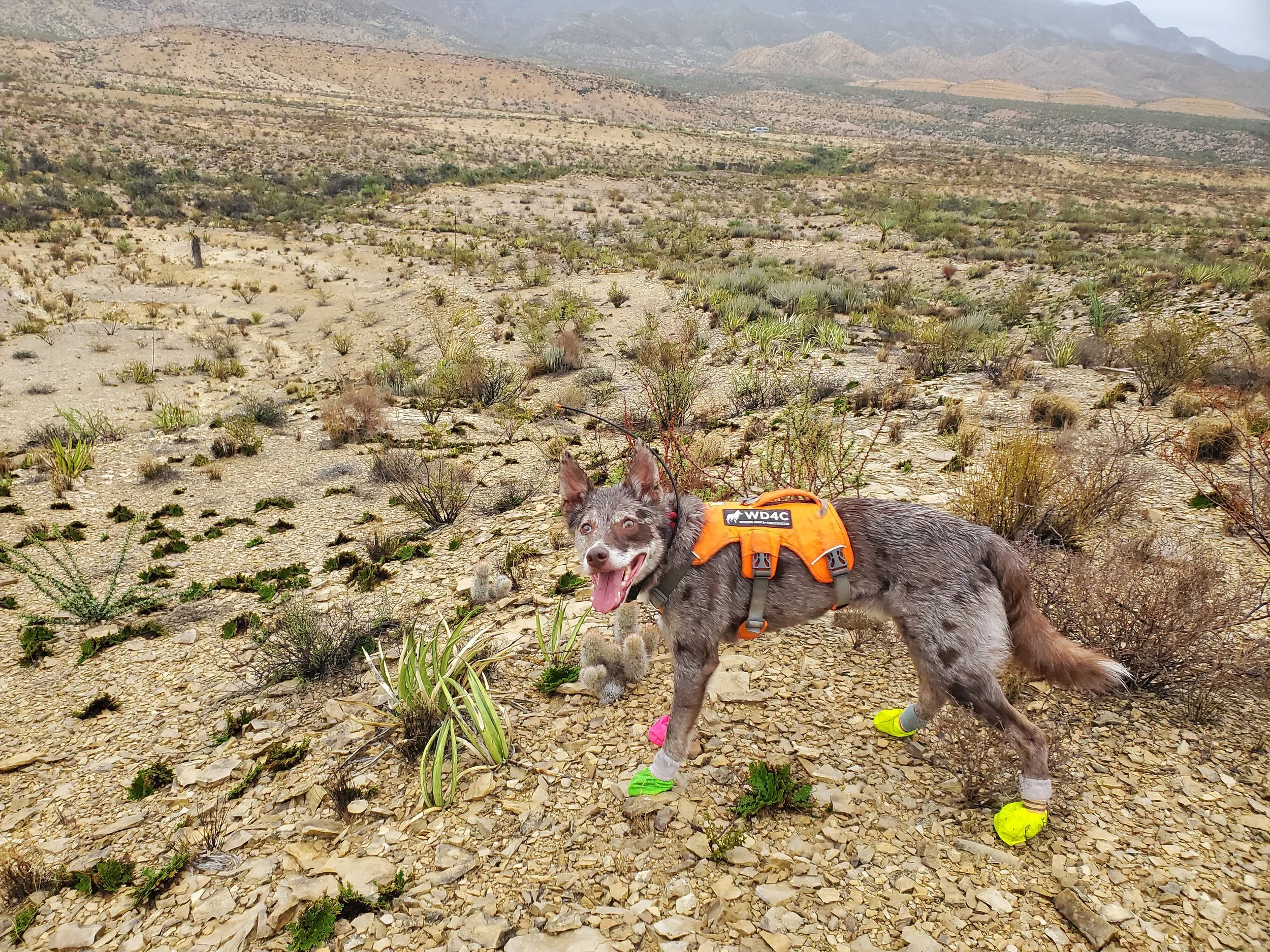
Ecological monitoring happens for plants, too. Our team was in West Texas helping to find Lloyd’s mariposa cactus (Sclerocactus mariposensis), a federally protected species, and it was the first time conservation dogs had been deployed to find it.
Protecting the biodiversity of this region - right down to the tiniest of plants - protects the resilience of the ecosystem and the interconnected web of life that relies on it, and ultimately sustains us all.
This work began when our friend and colleague at Sp8 Ecoservices, LLC recognized that dogs might be up to the challenge and partnered with us to help launch it. While even experienced botanists can struggle to locate this rare cactus, these dogs have shown that a trained conservation dog team can find it!
The dogs help to focus the search with remarkable precision and efficiency helping scientists better understand, monitor, and protect this imperiled species. The unique and adorable look of this cactus is actually part of why it is so endangered. Beyond environmental contamination, destruction by off-road vehicles, and grazing, this cactus was heavily pursued for private collections, an activity that is now illegal.
Now, due to its rarity, it is challenging to locate, and part of this work is to learn more about the complexities associated with searching for this unique target. We are hoping that newly collected data will contribute to the continued survival and protection of this cactus.
Of particular interest with this cactus, was to deploy the dogs at different times of year, including when the plant was flowering to ensure that the dogs are capturing all variations of scent of this plant. Such variations help build the complete “scent picture” for the dogs, allowing us to confirm it’s possible to successfully find this plant at different times of the year.
Even after all this time and experience working with conservation dogs, we continue to be amazed by the nose of a dog!
A special thank you to our amazing supporters for making work like this possible. We want to thank Texas Parks & Wildlife Department as well as the Conservation License Plate Program, for helping to support this novel project.