OUR WORK: ENDING WILDLIFE CRIME
Namibia Anti-Poaching Program

-
Namibia, Africa
-
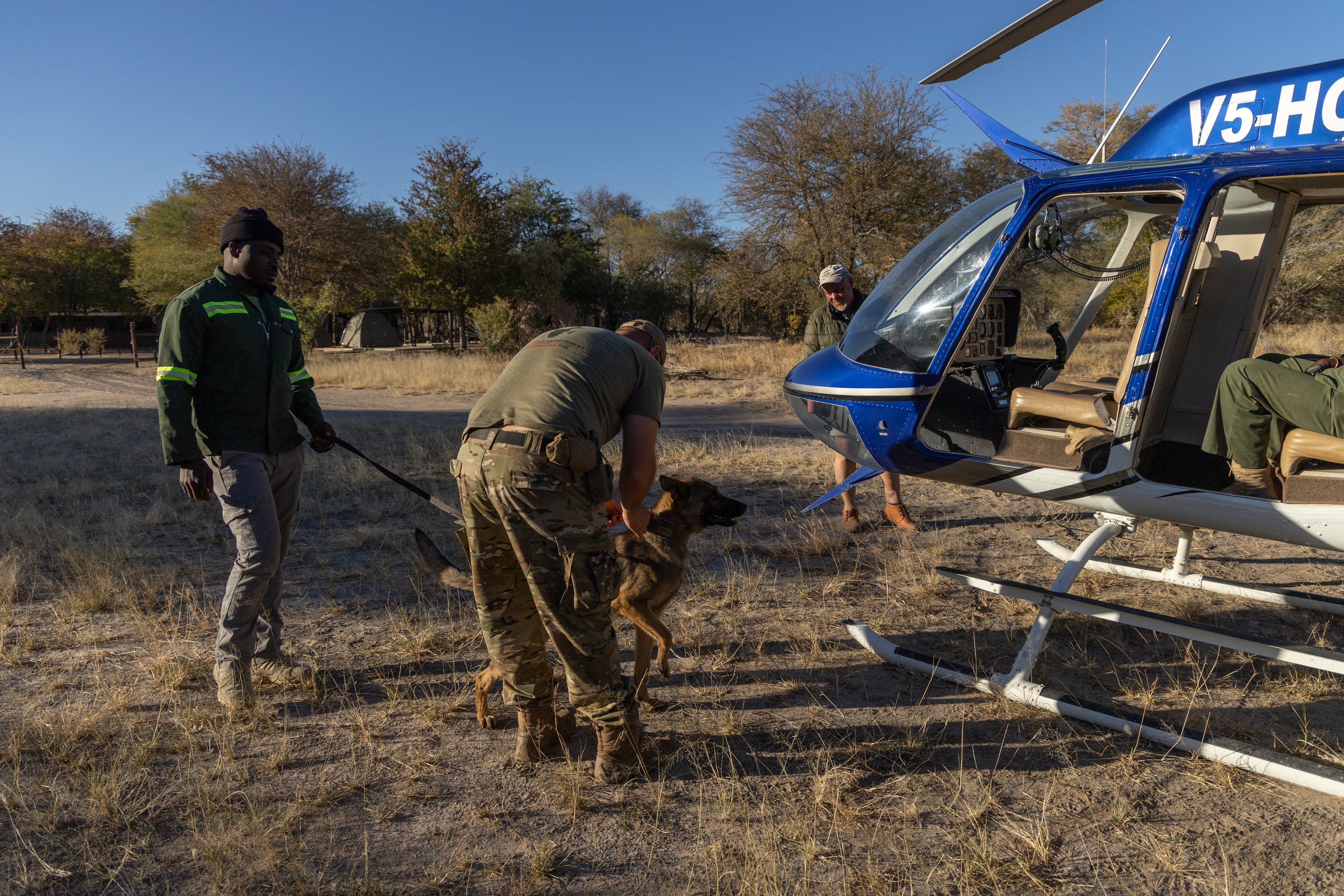
To protect Namibia’s critical wildlife - including black rhino, white rhino, elephant, pangolin, and other species targeted by illegal activity - through the deployment of highly trained K9 teams that support frontline law enforcement and anti-poaching operations. This is a nationally mandated capability, with the unit operating across Namibia and responsible for supporting law enforcement efforts countrywide. The teams are strategically deployed to respond to intelligence led operations and reinforce protection efforts wherever they are needed most, ensuring a coordinated and effective national response to wildlife crime.
-
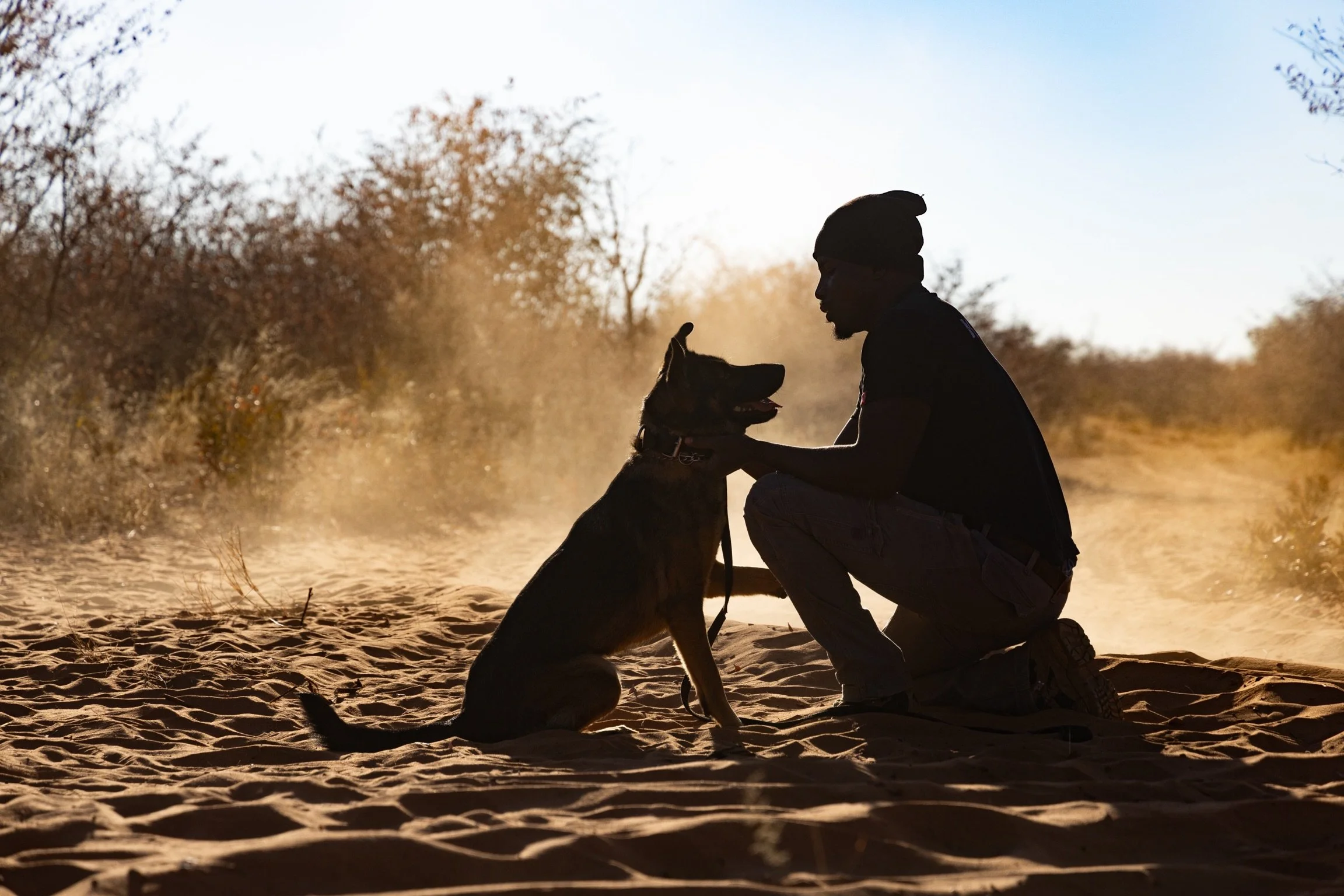
Dual-Purpose K9 Teams
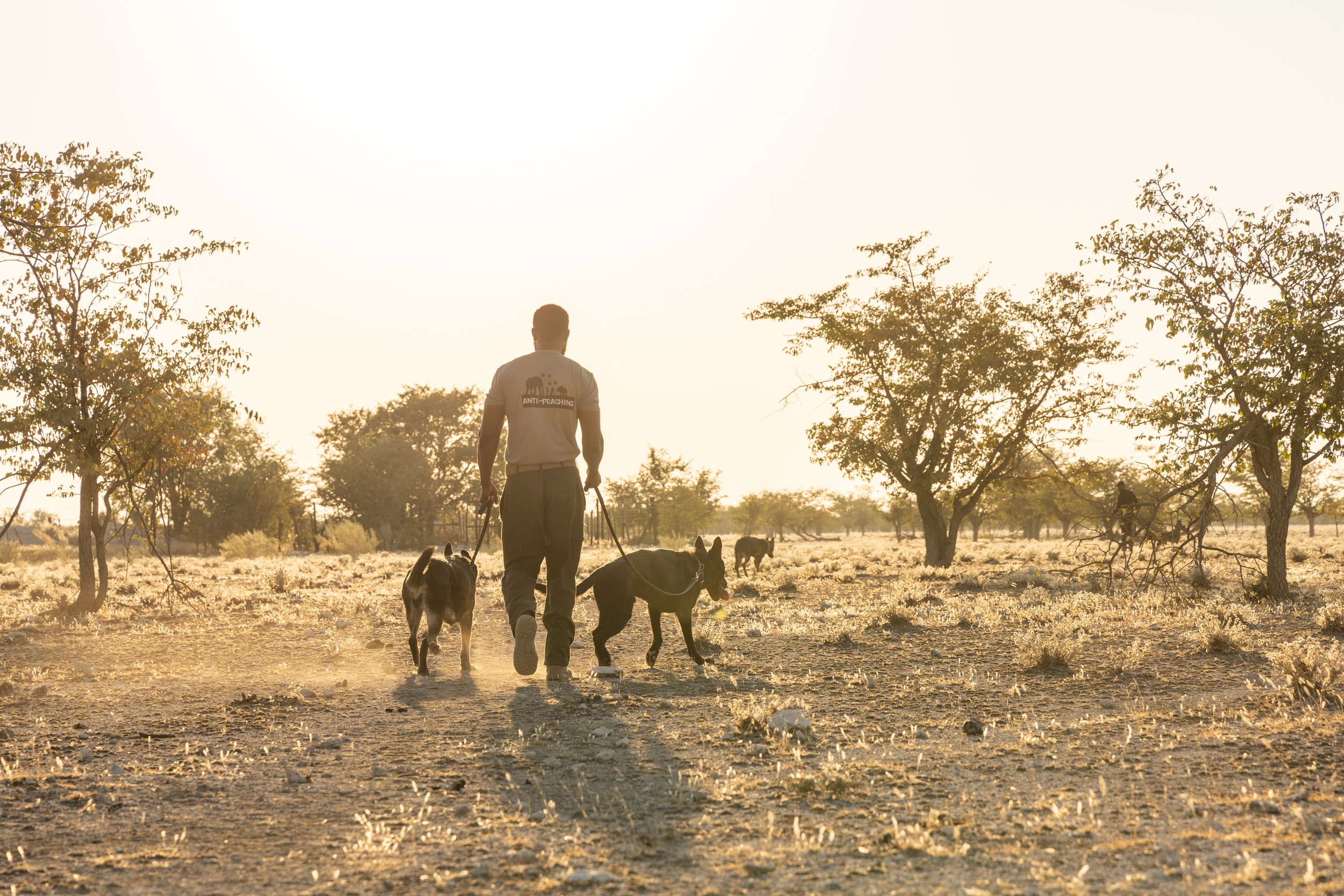
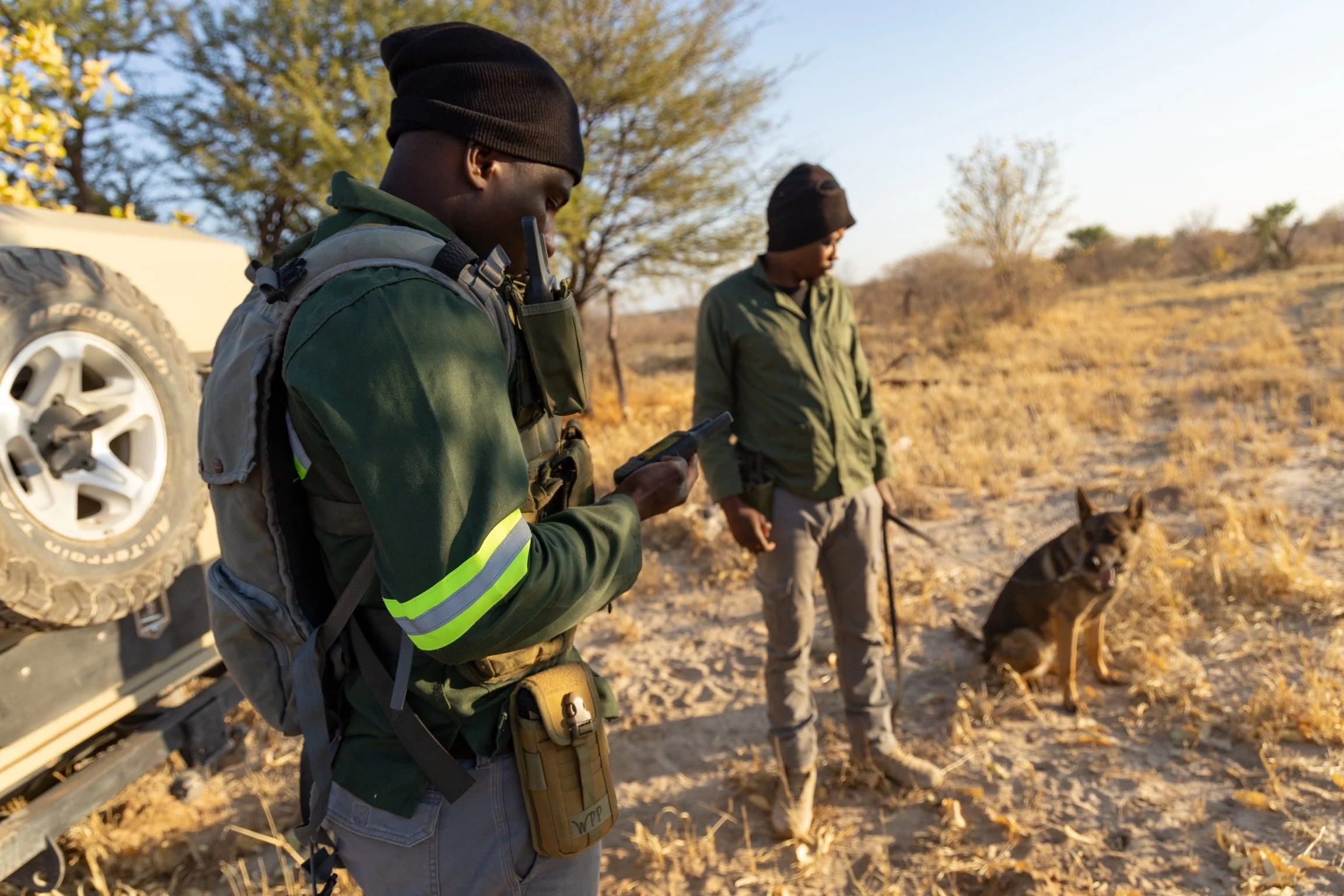
All our deployed dogs are dual-trained, capable of both human tracking and wildlife contraband detection. This dual capability provides operational flexibility, allowing teams to transition seamlessly between interdiction, pursuit, and search operations in dynamic environments.
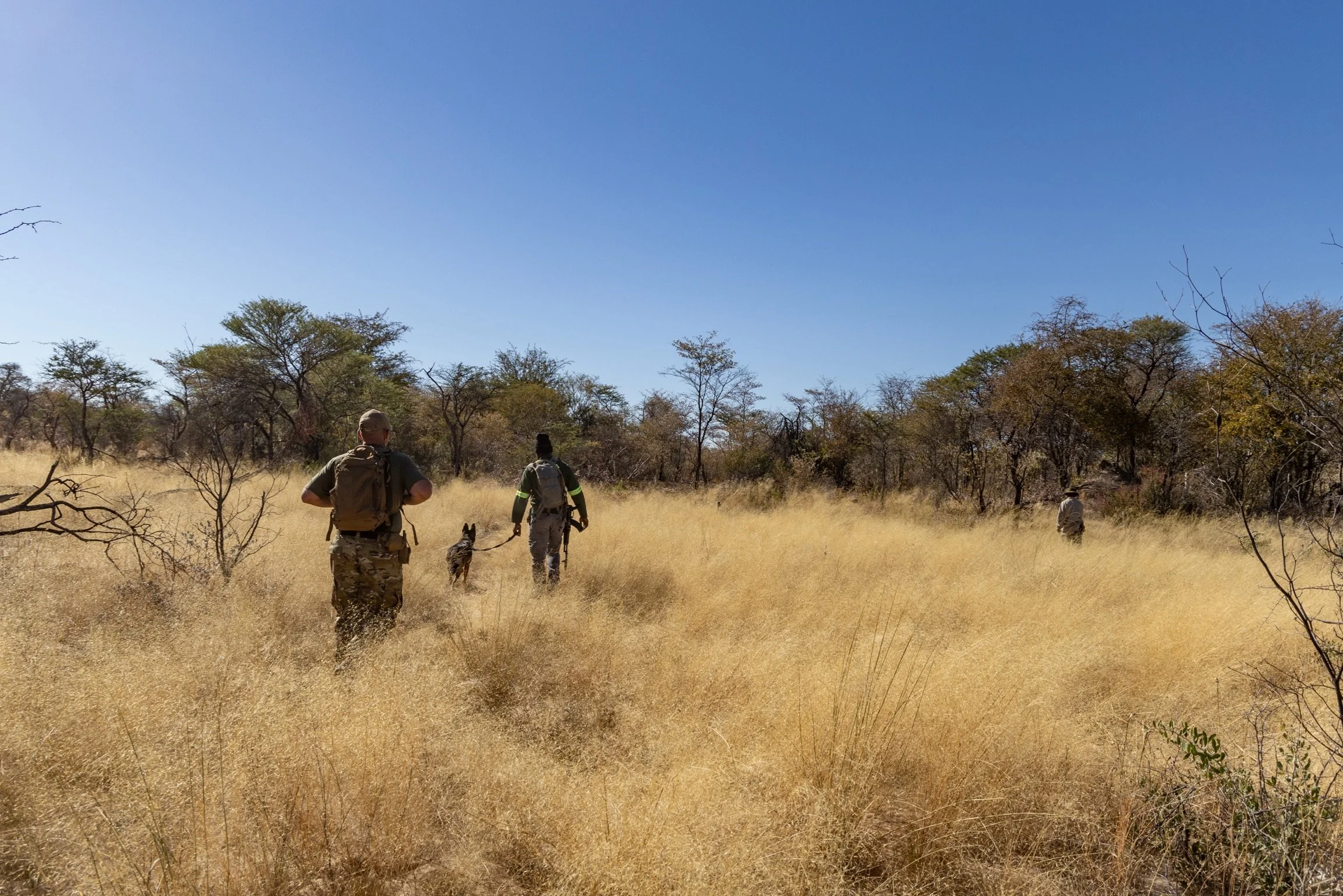
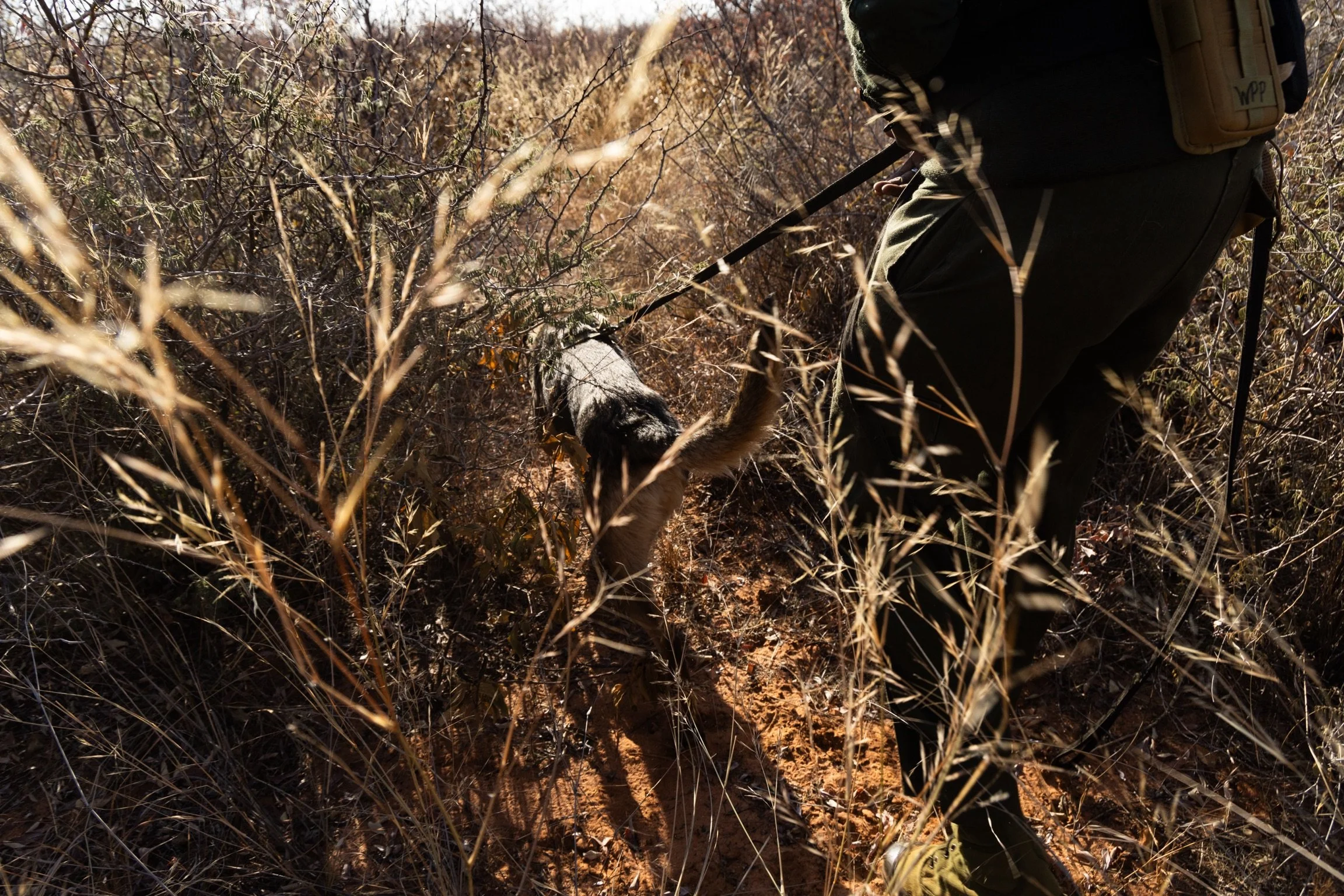
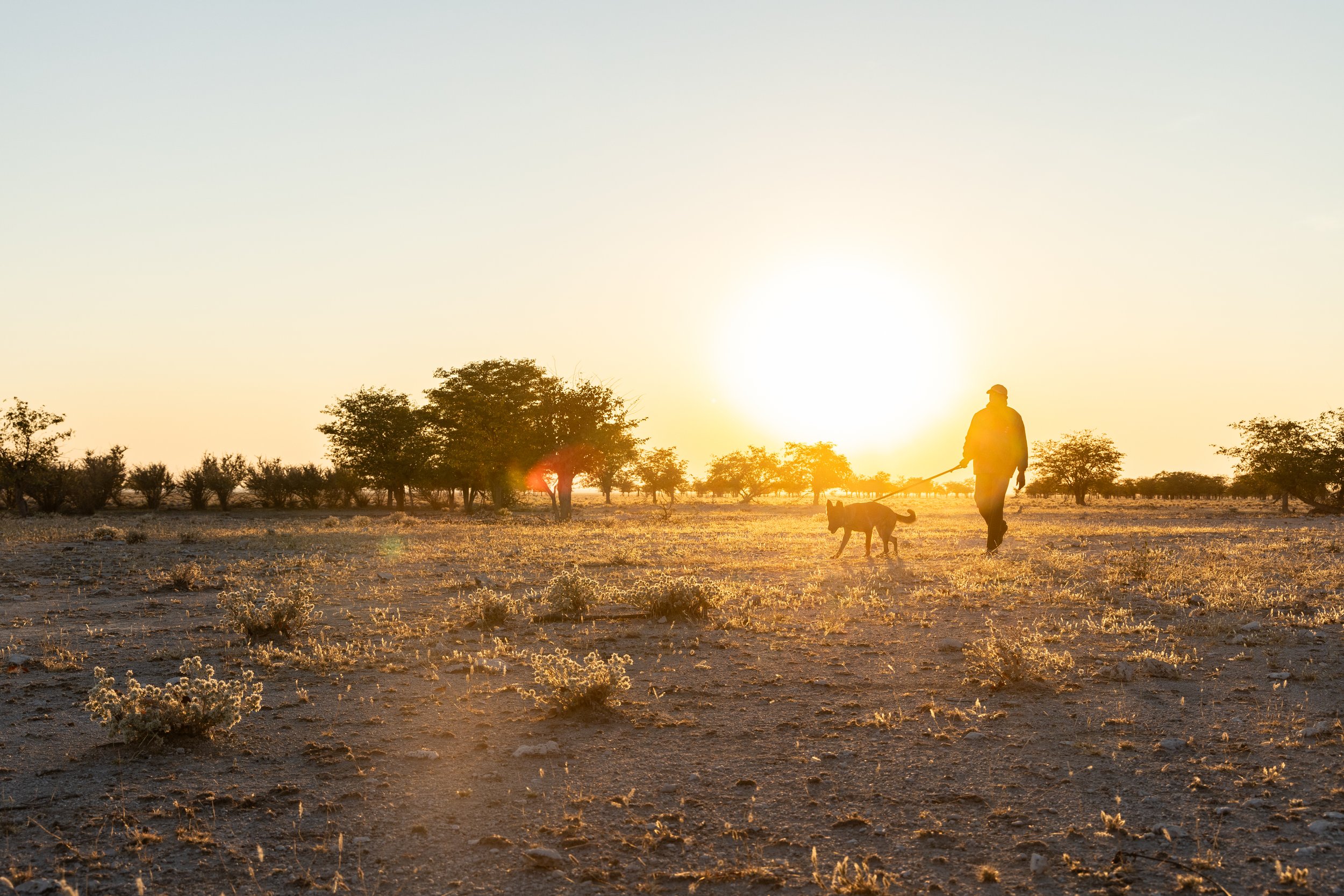
TRACKING: Our K9 teams are trained to track one or more individuals across diverse and often challenging terrain. They are routinely deployed in real-world operations, pursuing suspected poachers as well as supporting non-criminal missions such as locating missing persons.
DETECTION: Our detection dogs are trained to locate and indicate a wide range of wildlife contraband and associated materials, including ivory, rhino horn, bushmeat, pangolin scales, ammunition, firearms, and gunpowder.
Teams are trained to operate across a variety of search environments, including occupied and unoccupied buildings, open areas, vehicles, and personal belongings such as luggage. This ensures comprehensive coverage in both field operations and enforcement settings such as checkpoints, transport hubs, and targeted search operations. -
Ministry of Environment, Forestry and Tourism (MEFT), Wildlife Conservation Network Rhino Recovery Fund
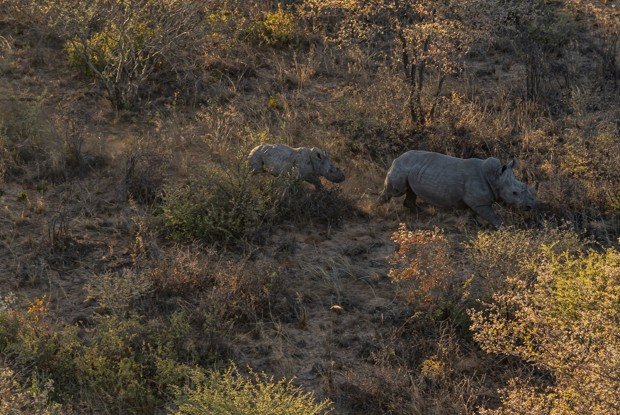
In these key areas in Namibia, some of the densest black rhino populations persist, and it's all the more critical to protect them.
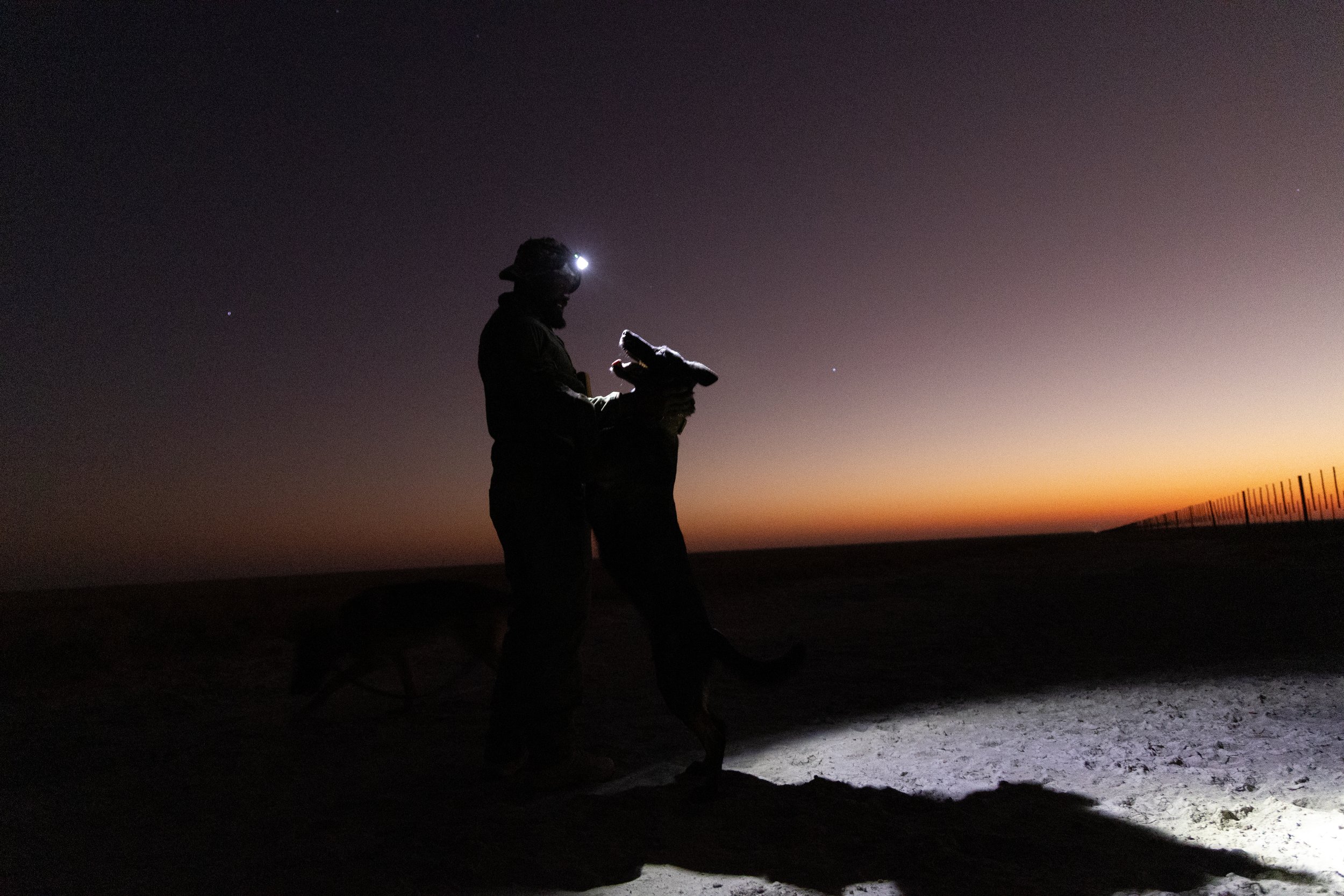
Operational success has demonstrated the value of these capabilities. In one instance, a K9 team tracked two armed poachers responsible for killing a rhino over a distance of 26 km - overnight, from sunset through to sunrise - resulting in their successful apprehension. The use of dogs enabled continuous pursuit in darkness and difficult conditions where traditional visual tracking would have been significantly degraded or ineffective.
Namibia is home to the largest free-ranging population of black rhino in the world. Safeguarding these largely solitary animals is critical to the long-term survival of the species, making Namibia a global priority for conservation-focused law enforcement. Preserving these populations is critical to the survival of the species, and it why we're focusing on saving these populations right now.
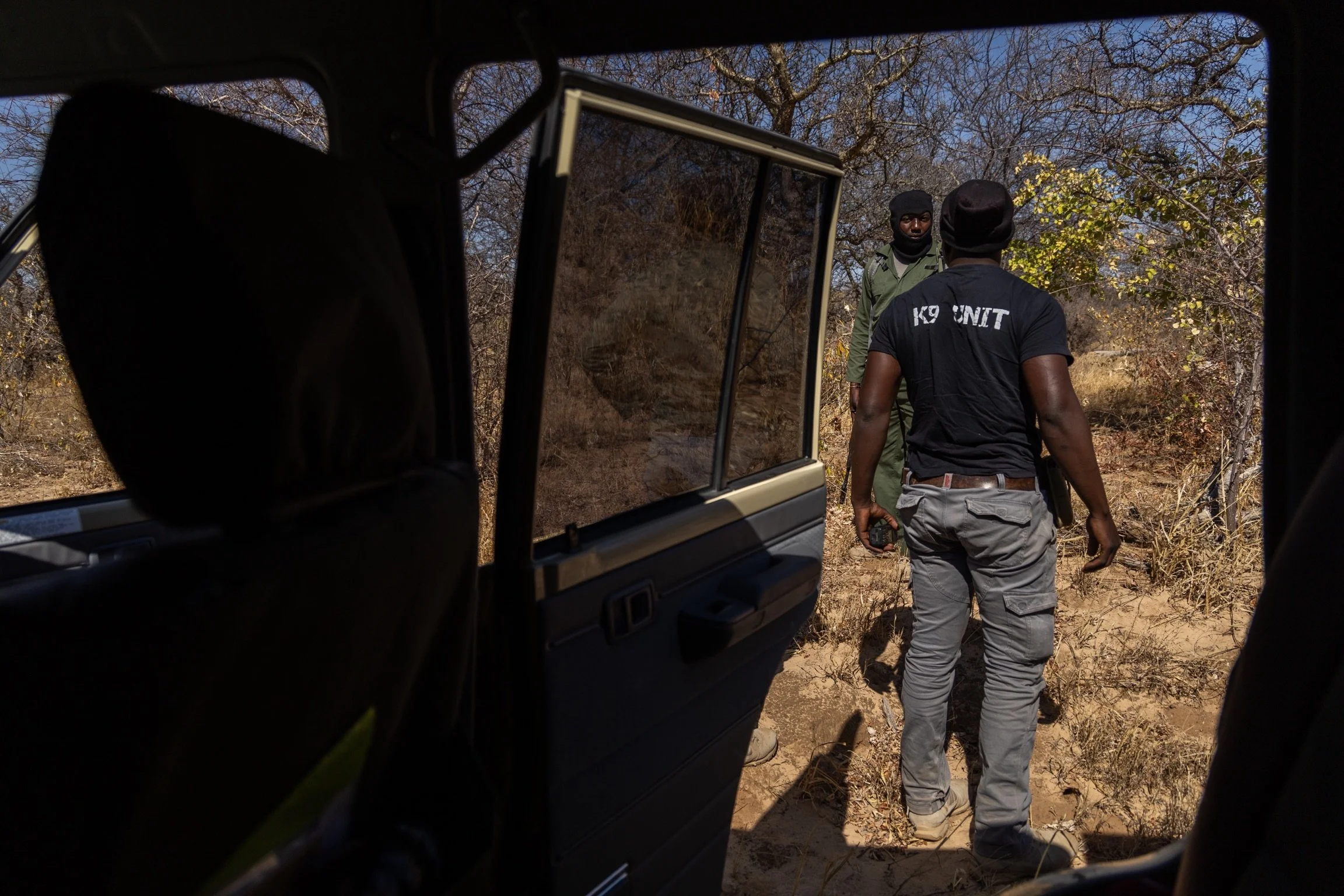
Since 2015, our team has supported the Ministry of Environment, Forestry and Tourism (MEFT) through regular deployments, typically conducting 3–4 missions annually. In 2024, with the support of the International Rhino Foundation and the WCN Rhino Recovery Fund, we deployed at MEFT’s request to deliver mentor-led training, introduce key technologies, and strengthen frontline law enforcement operations.
MEFT played a central role in coordinating these efforts - aligning teams, prioritizing operational areas, and actively requesting additional support to enhance their ability to identify, pursue, and apprehend rhino poachers. This level of leadership and integration has been instrumental in translating training into real-world impact.
In 2023, just over 40 rhino were illegally killed across Namibia. Early 2024 saw a concerning increase in losses, with more than 60 rhino poached in the first quarter alone. Following the integration of these methodologies, supported areas have seen a marked improvement in operational effectiveness, with a significant reduction in poaching pressure and stronger response capability. While challenges remain, the progress achieved reflects the commitment of MEFT personnel and the value of sustained, integrated training and support.
The impact of the K9 teams has been a key component of this success - extending operational reach, enabling effective tracking, and supporting targeted interdiction efforts. Building on this momentum, we are continuing our work in Namibia to expand training, deploy additional dogs, and cross-train teams across surrounding areas to further strengthen regional capability.
This progress is made possible through continued partnership and support. Your contribution directly enables the protection of these critical black rhino populations and the teams working tirelessly to defend them.
Photos: Great Bear Media