OUR WORK: BIOSECURITY
Salt Cedar and Perennial Pepperweed
-
Wyoming, USA
-
Search for targeted invasive plants and record locations for removal and eradication
-
Invasive plants - salt cedar and perennial pepperweed
-
Teton County Weed and Pest District (TCWP)
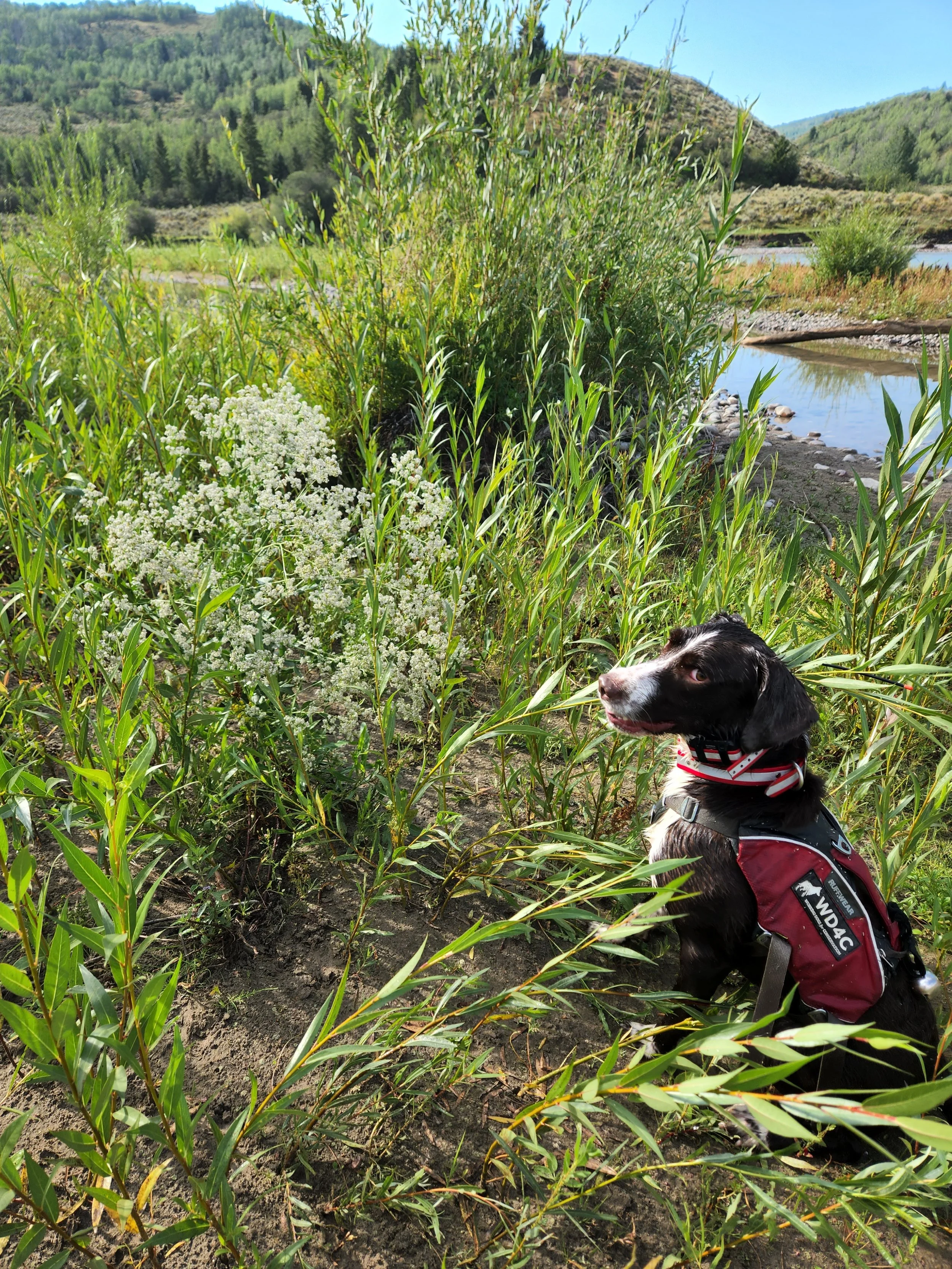
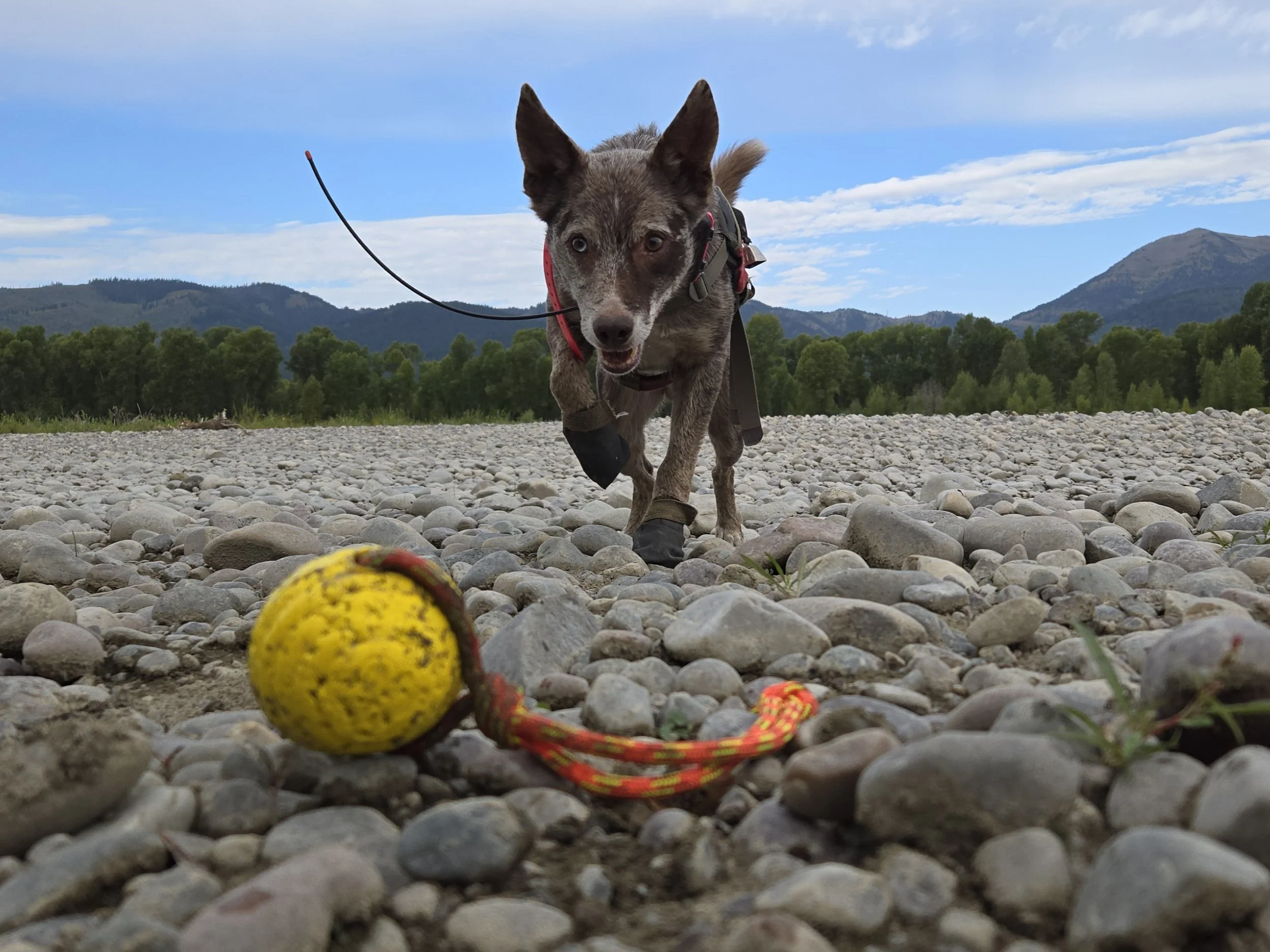
While invasive plants are something we actually don't want to be there, each time the dogs find one, it's still a "celebration" of sorts for the dog - but truly a celebration for us all as well. Each plant found is one more step in the right direction to helping stop their spread. Thank you for helping keep these dogs in action!
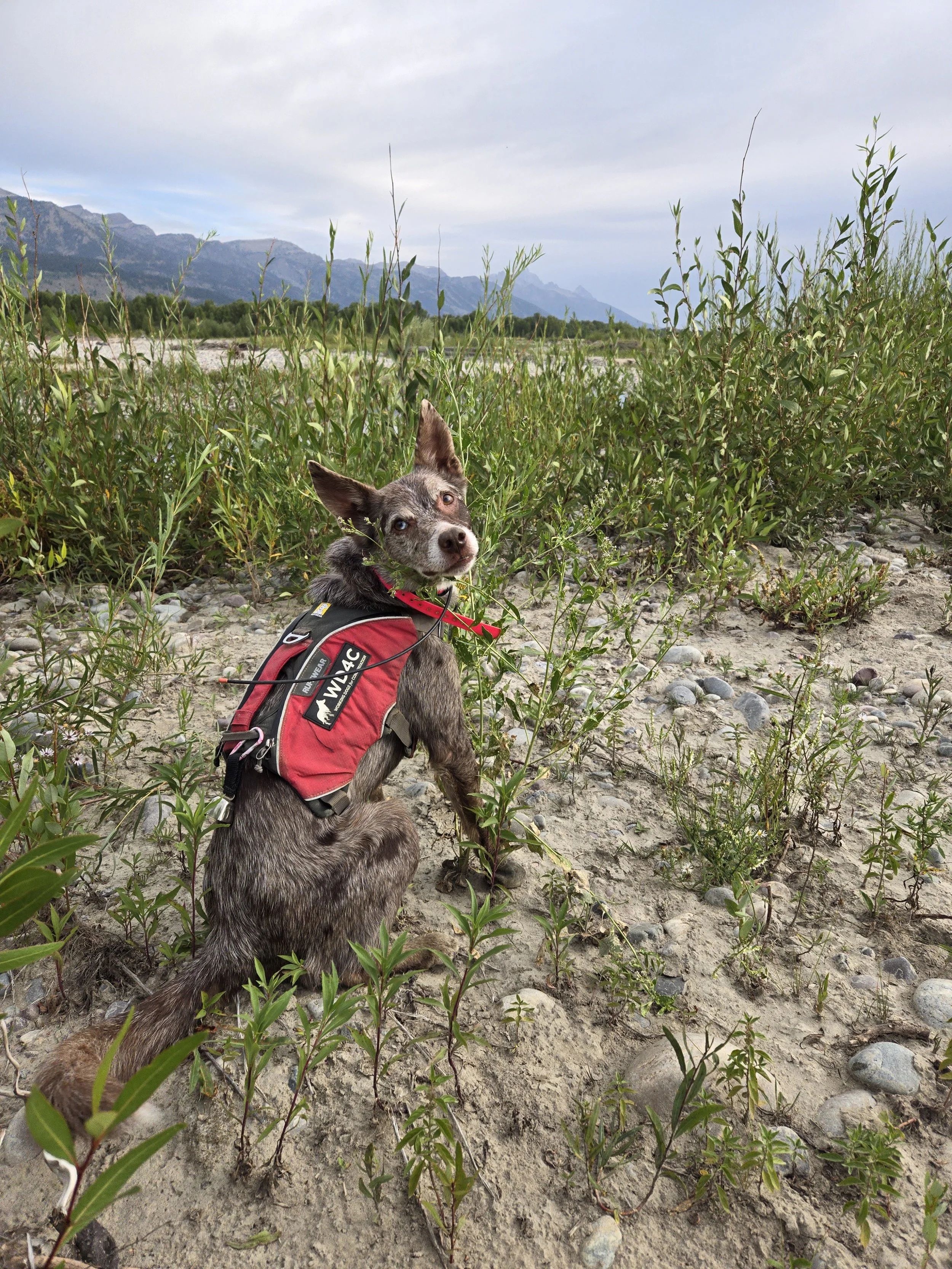
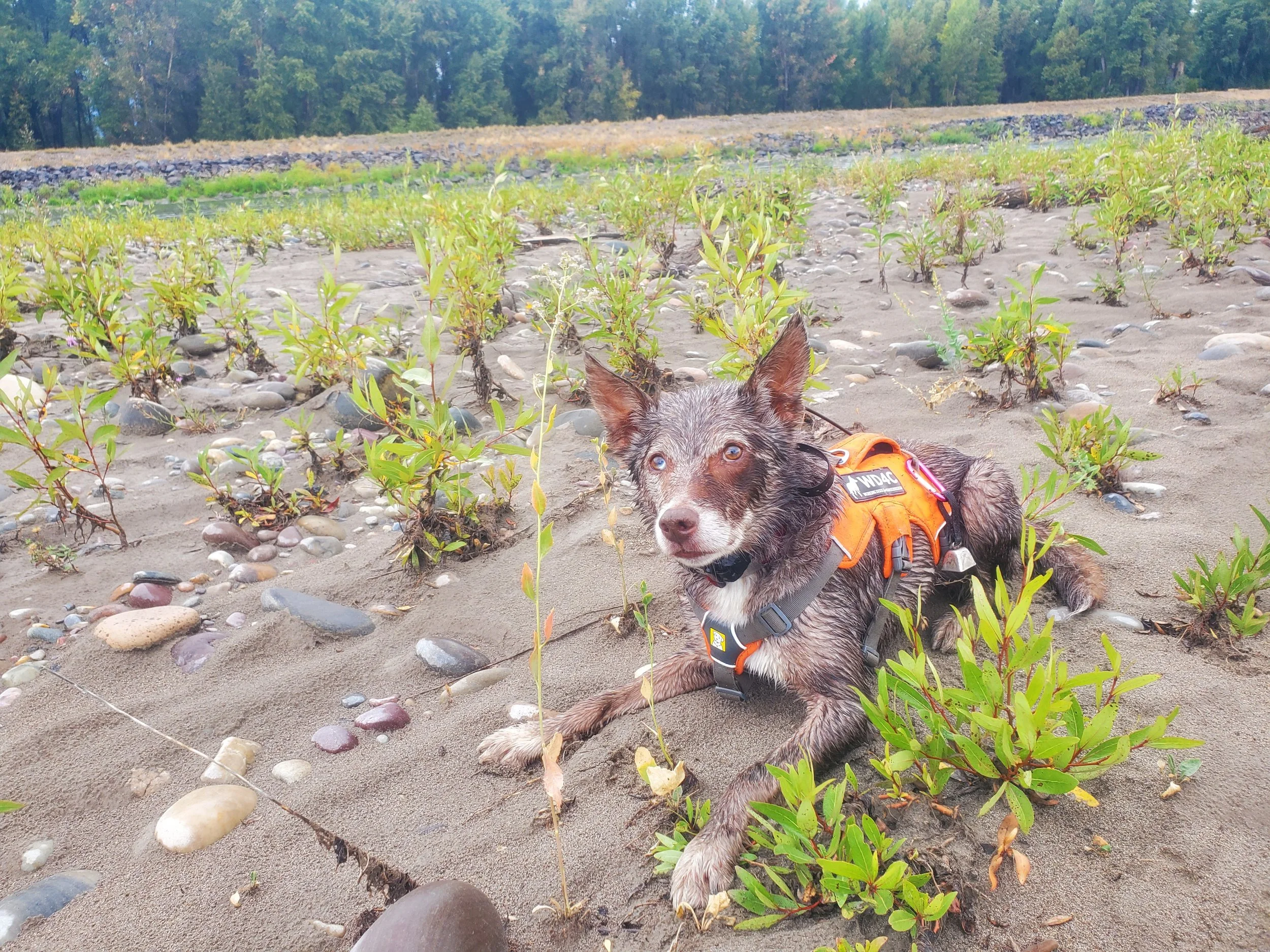
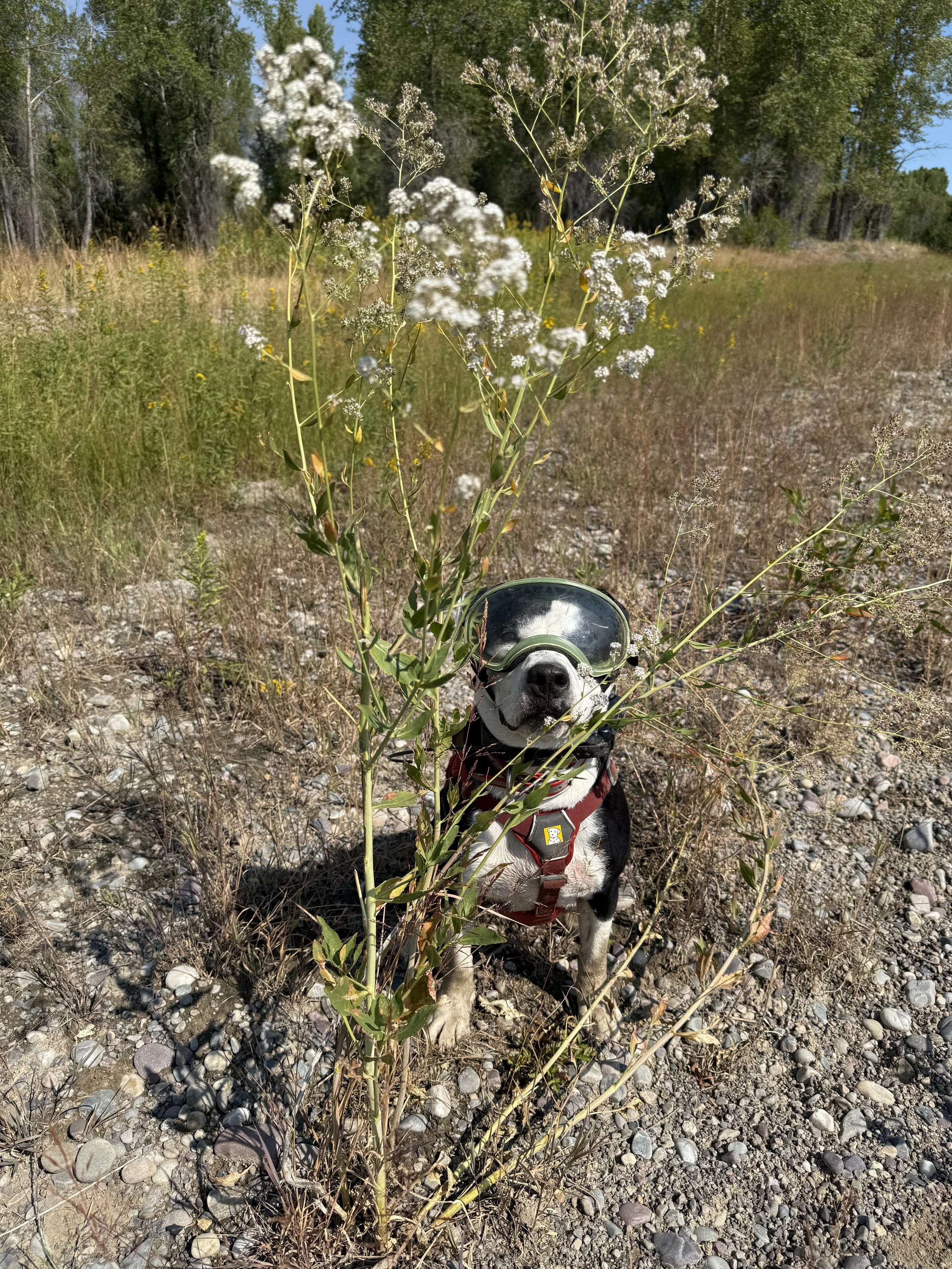
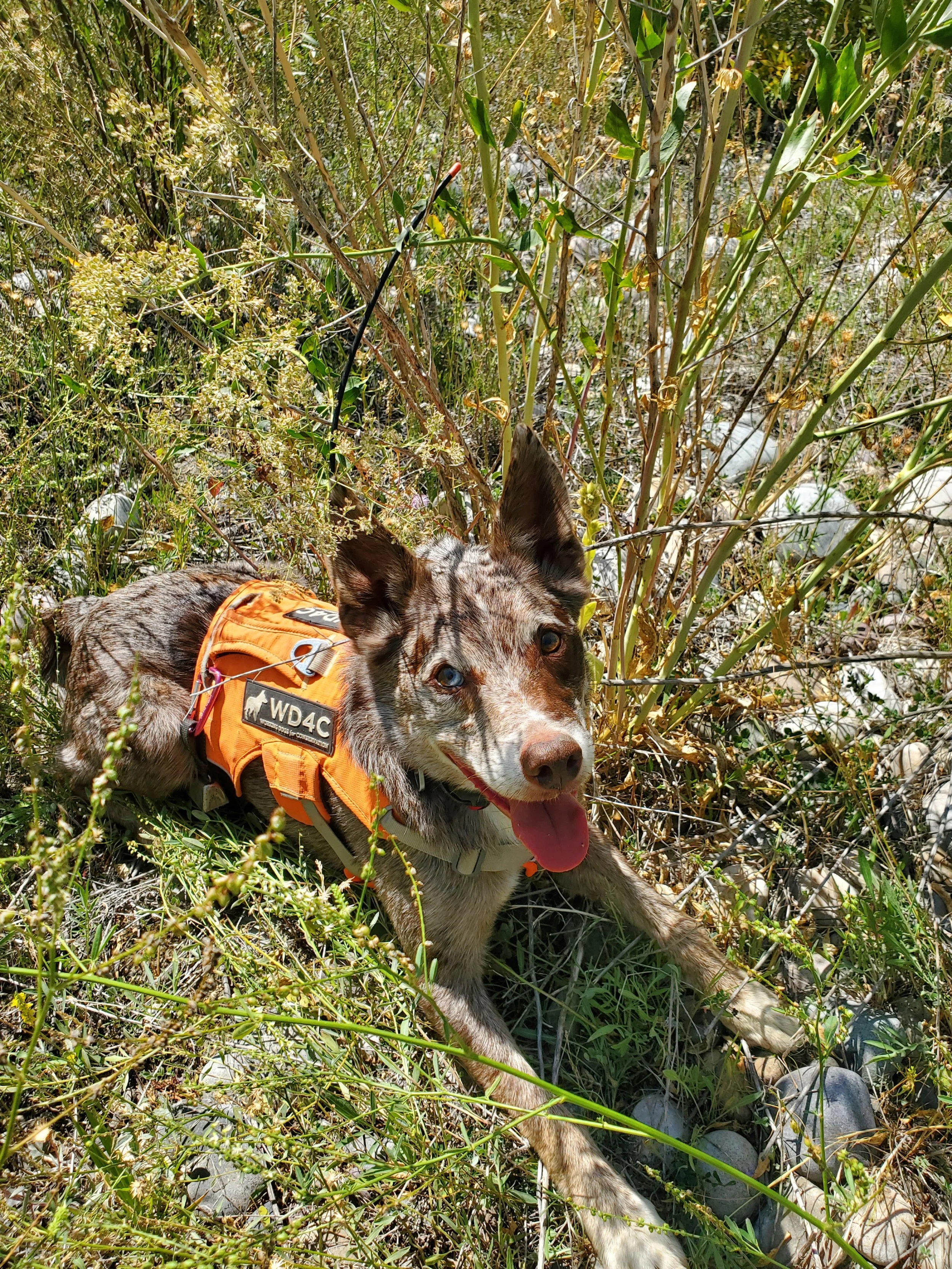
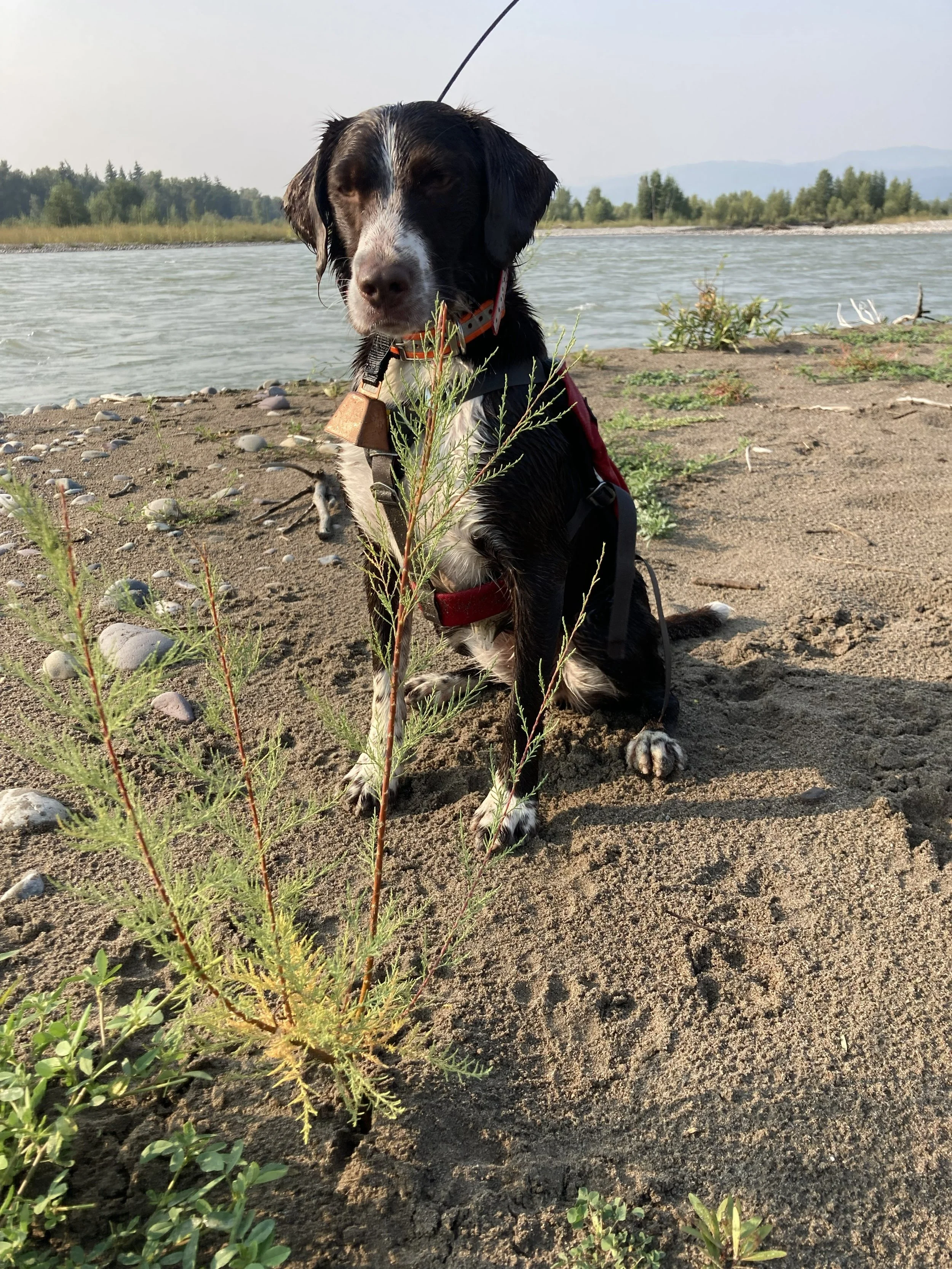
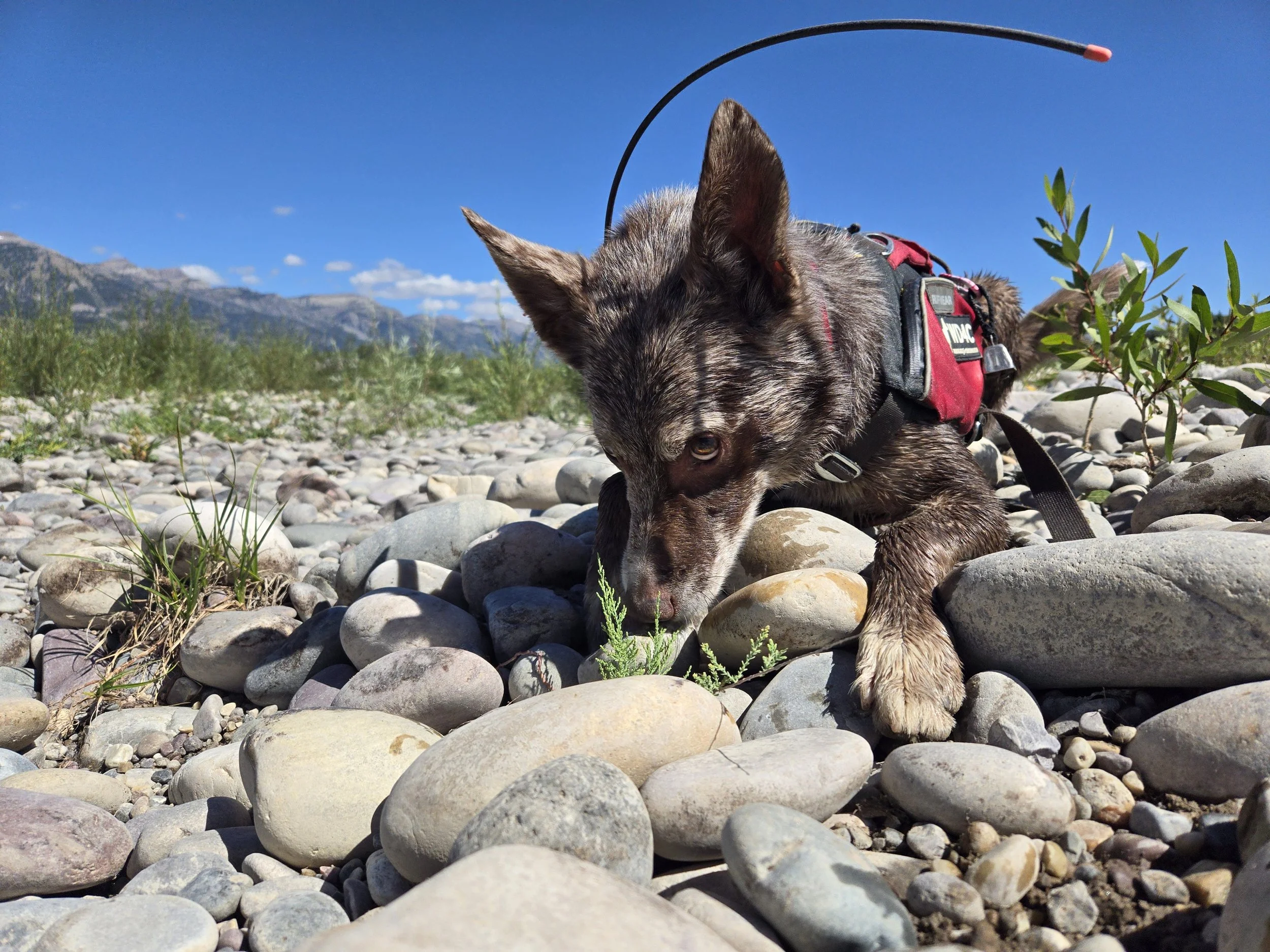
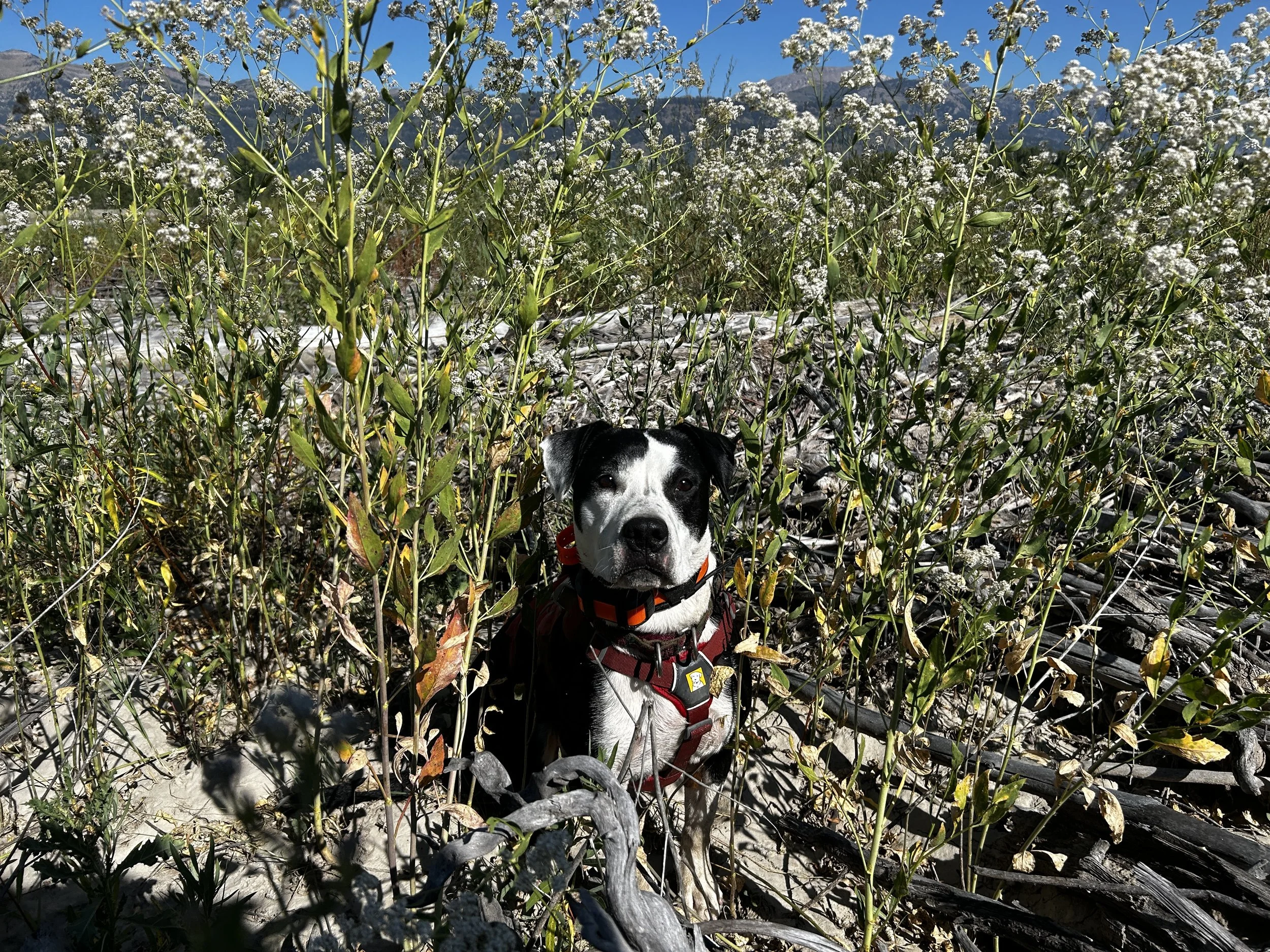
Salt cedar and perennial pepperweed are non-native plant species in North America. Their aggressive growth and extensive root systems outcompete native vegetation, altering habitats and reducing biodiversity. Detecting and removing these plants is essential for preserving the area's ecological balance. Our dogs' remarkable sense of smell allows them to locate plants that are often missed by the human eye, helping to stop these invaders before they spread further.
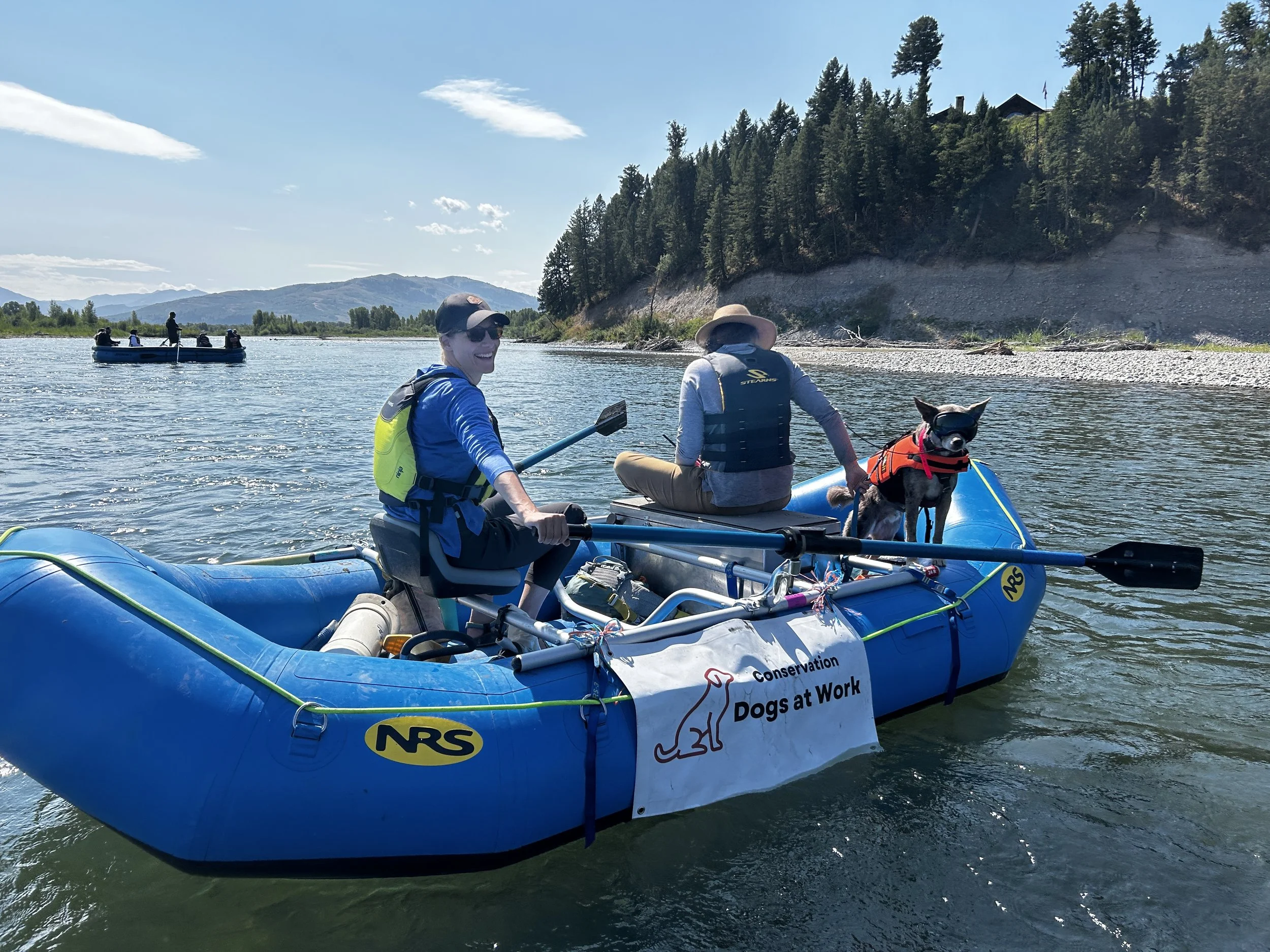
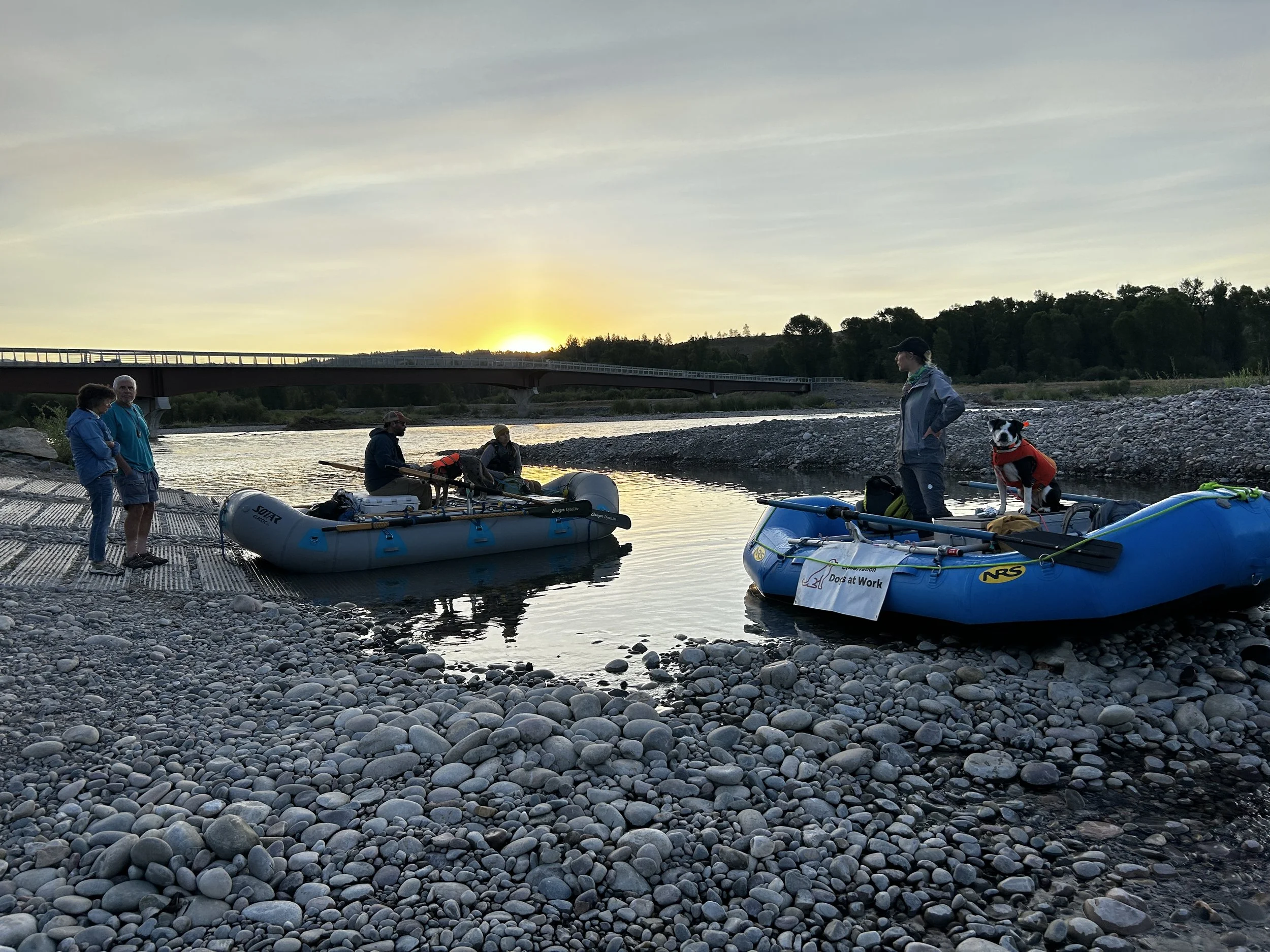
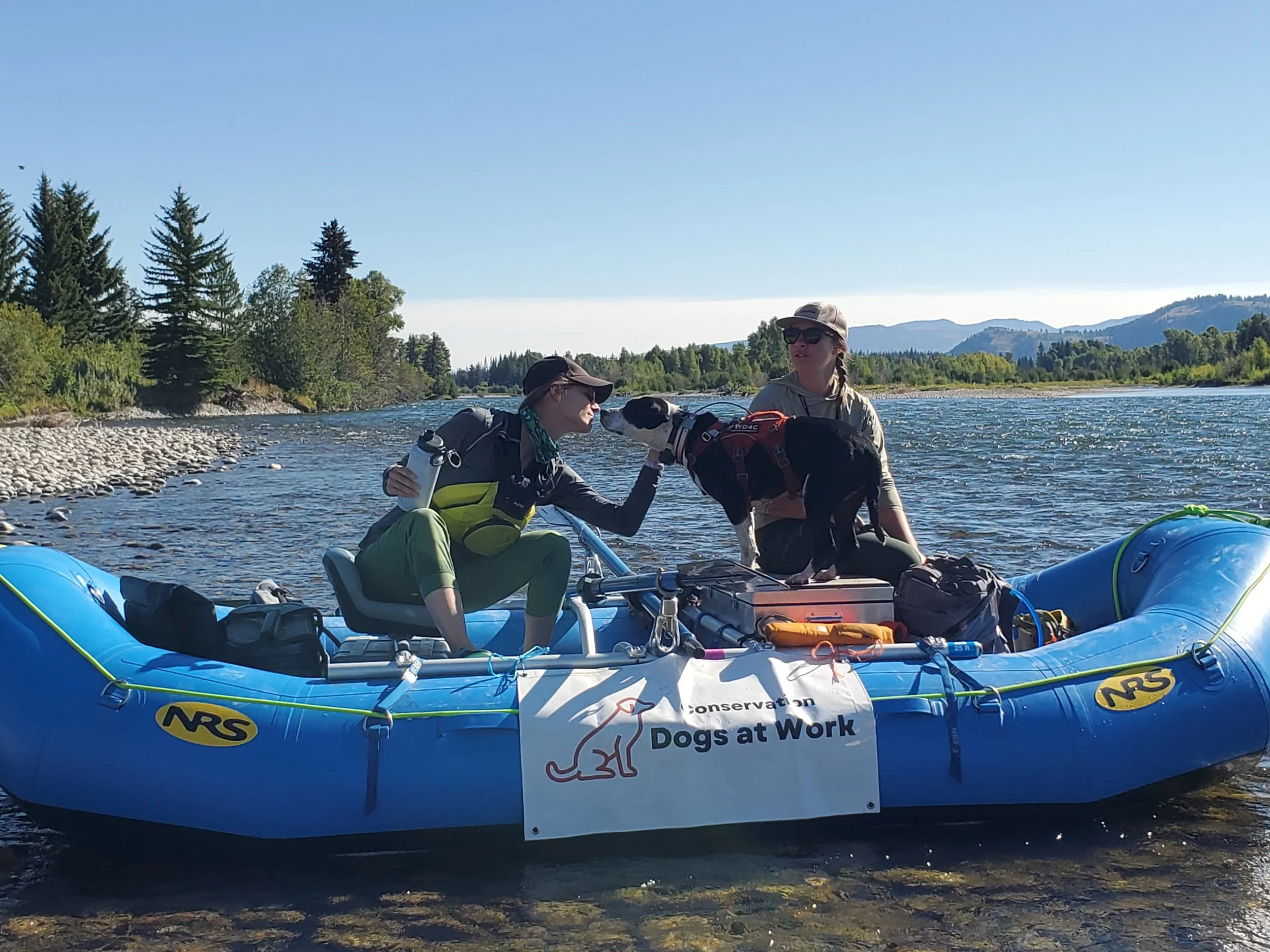
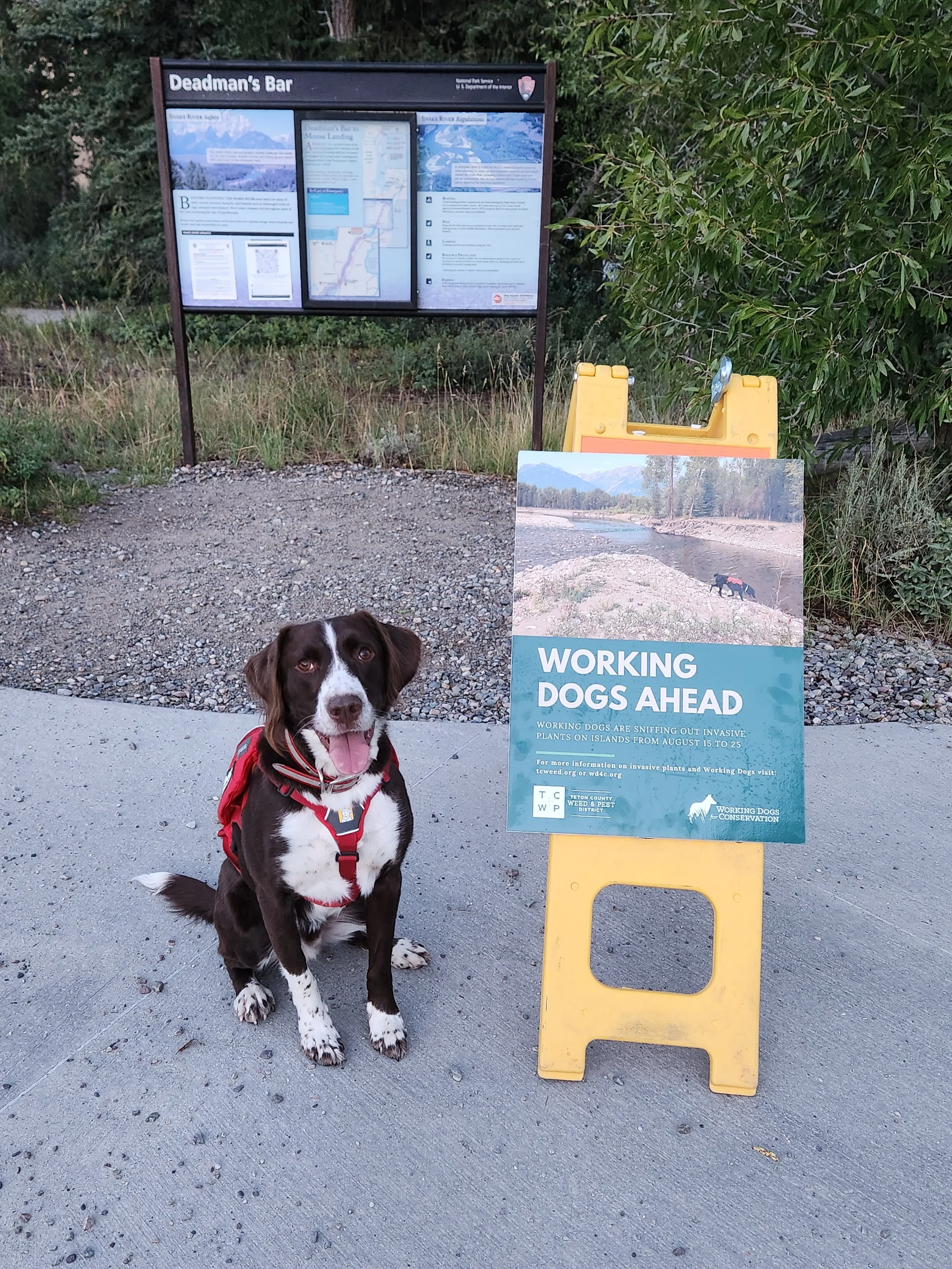
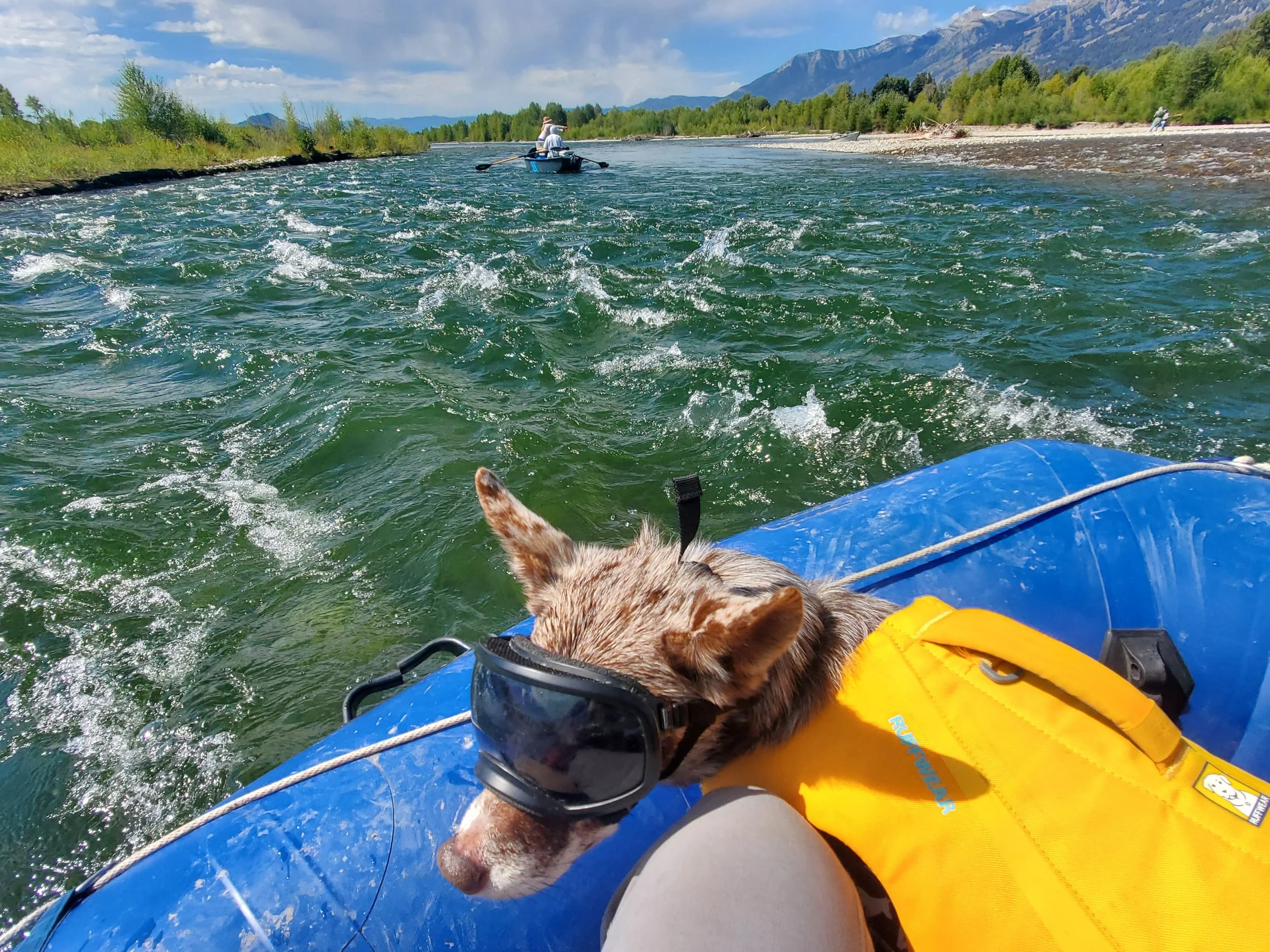
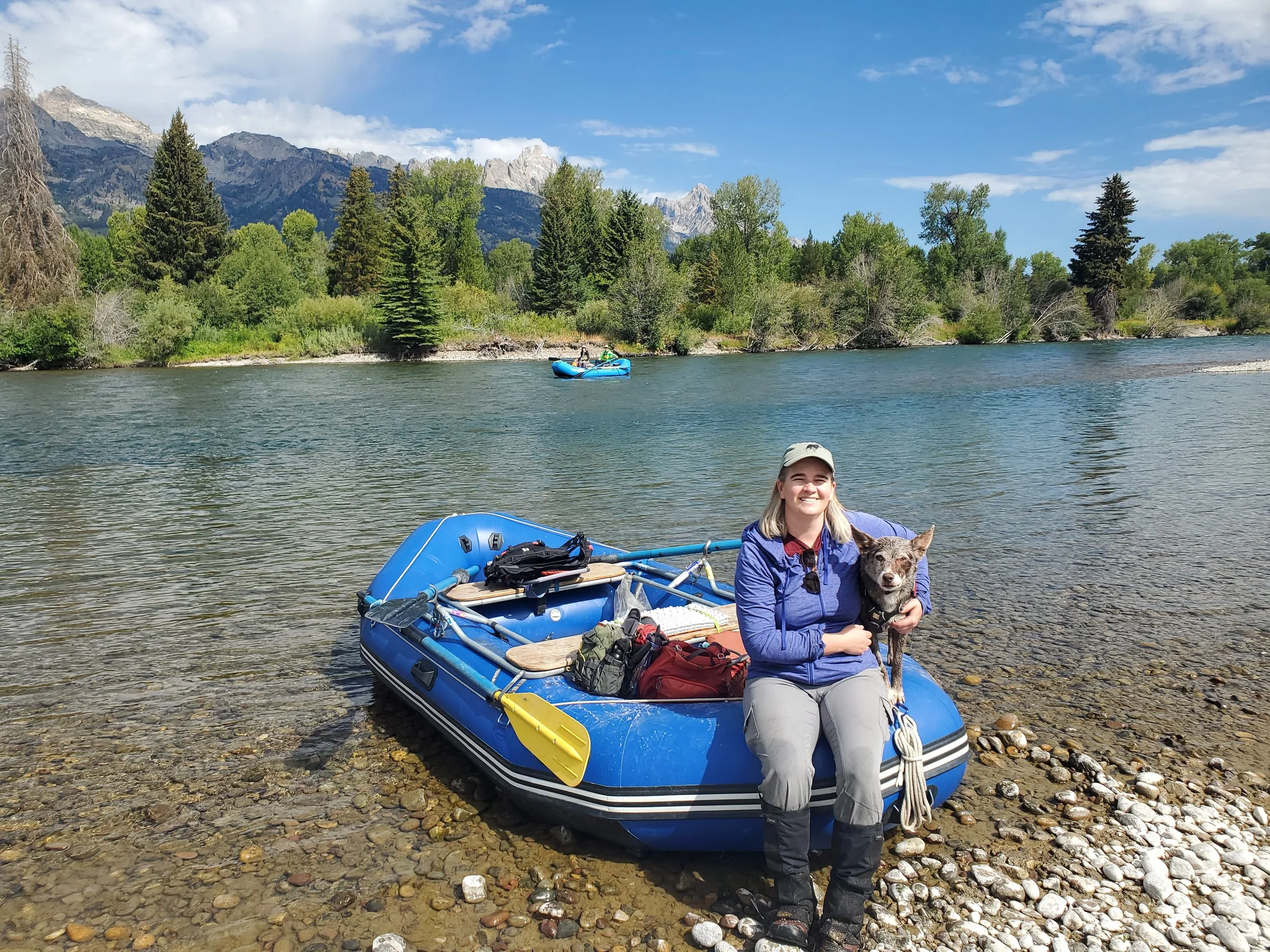
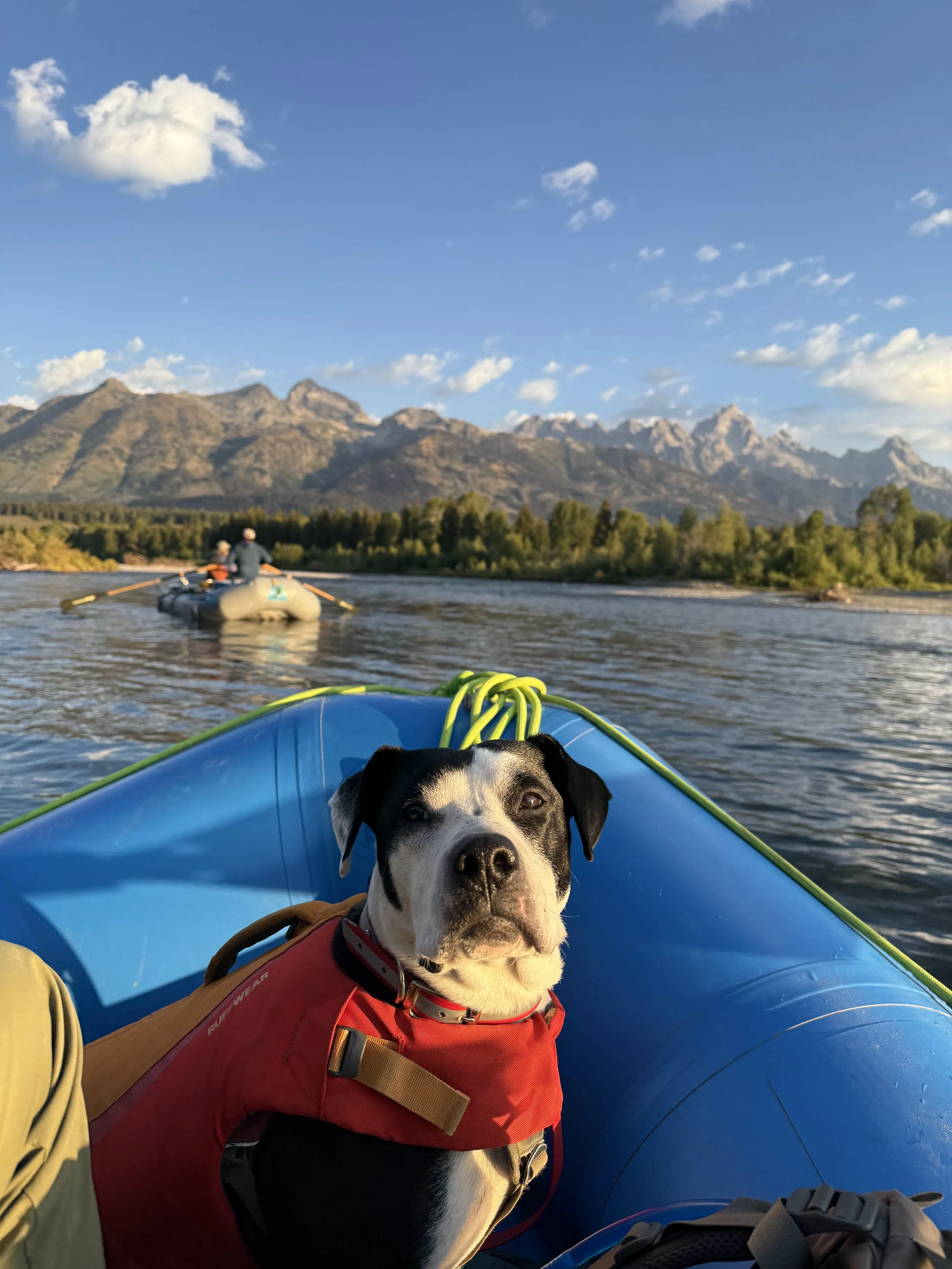
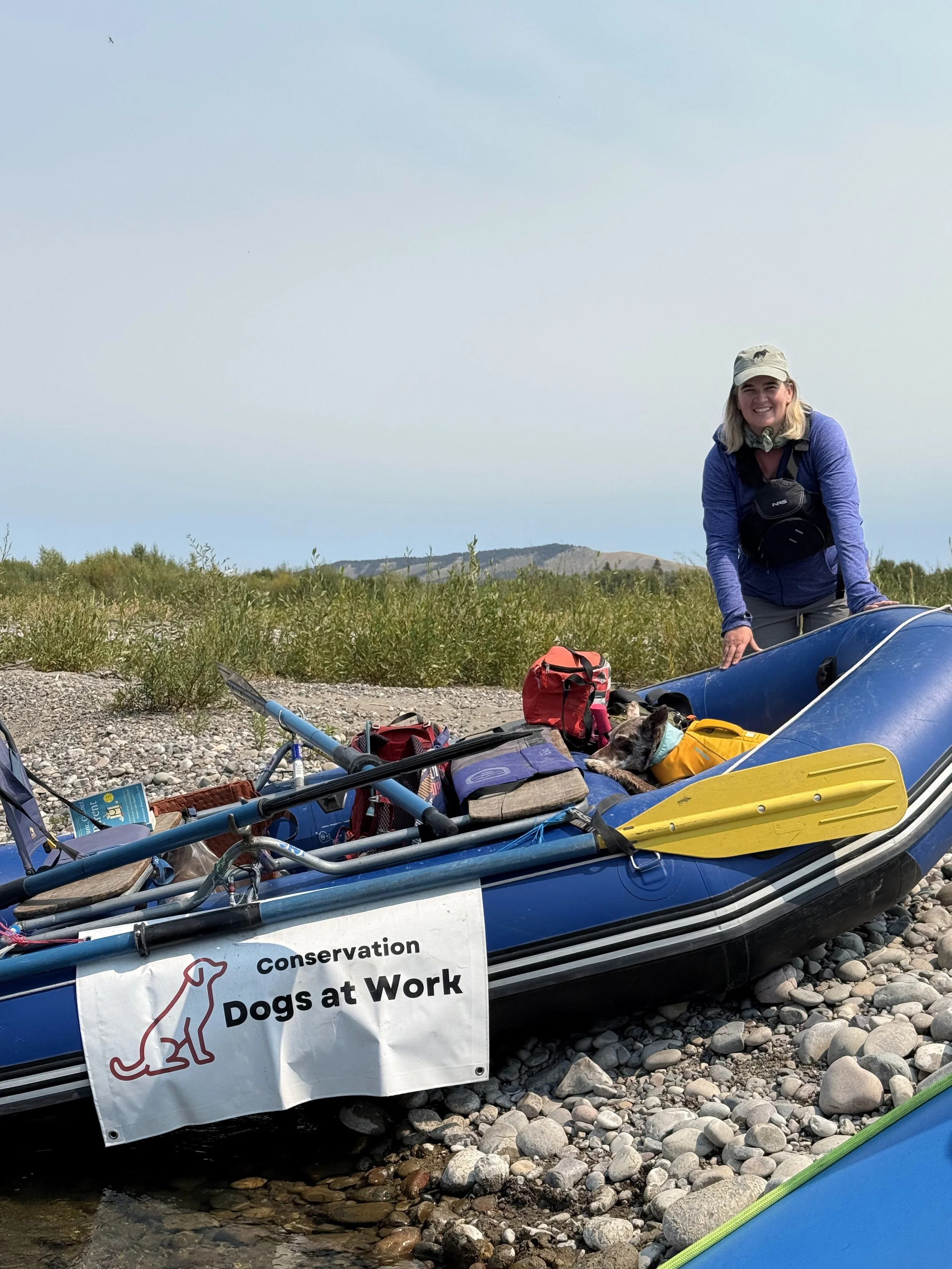
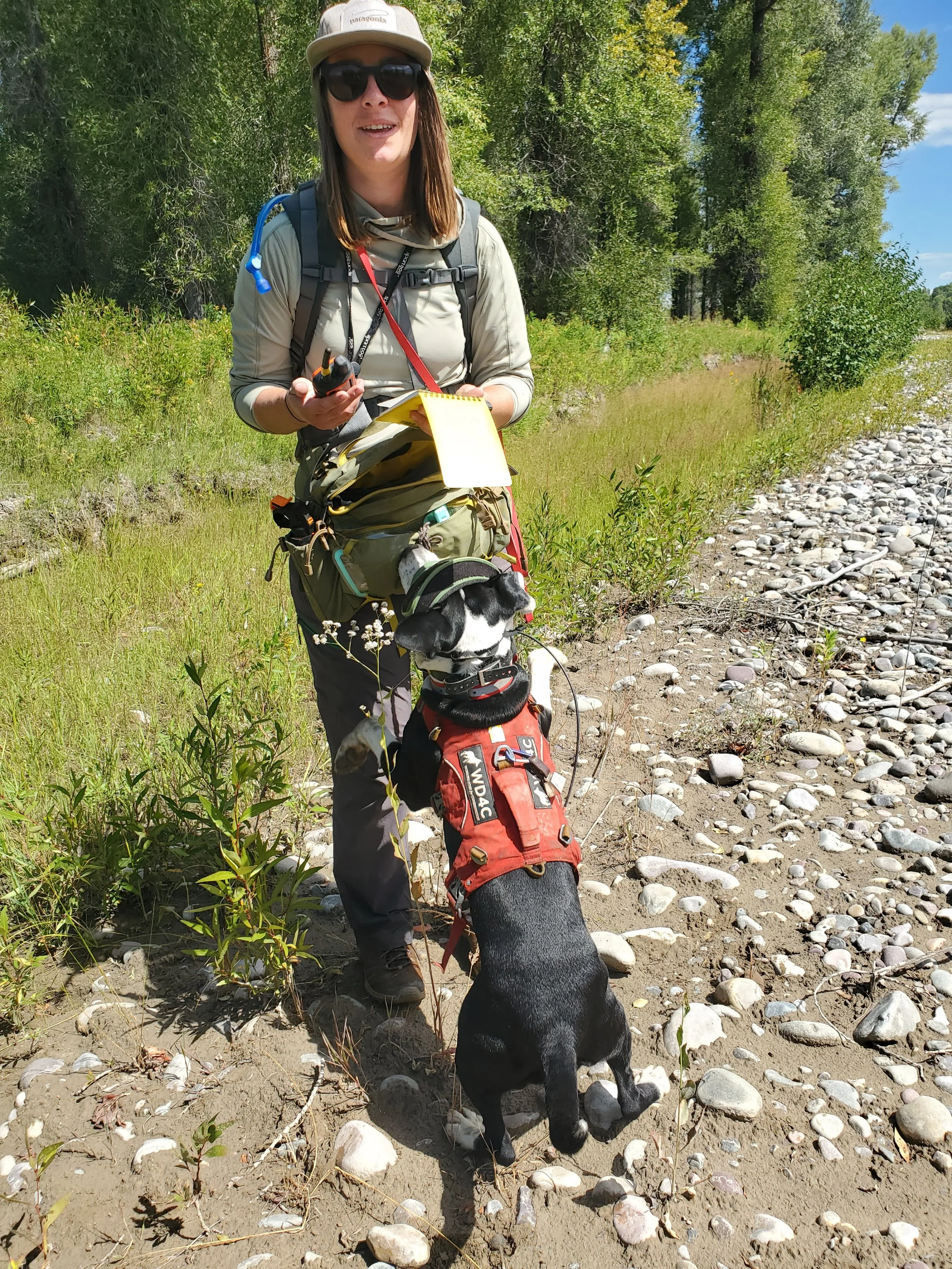
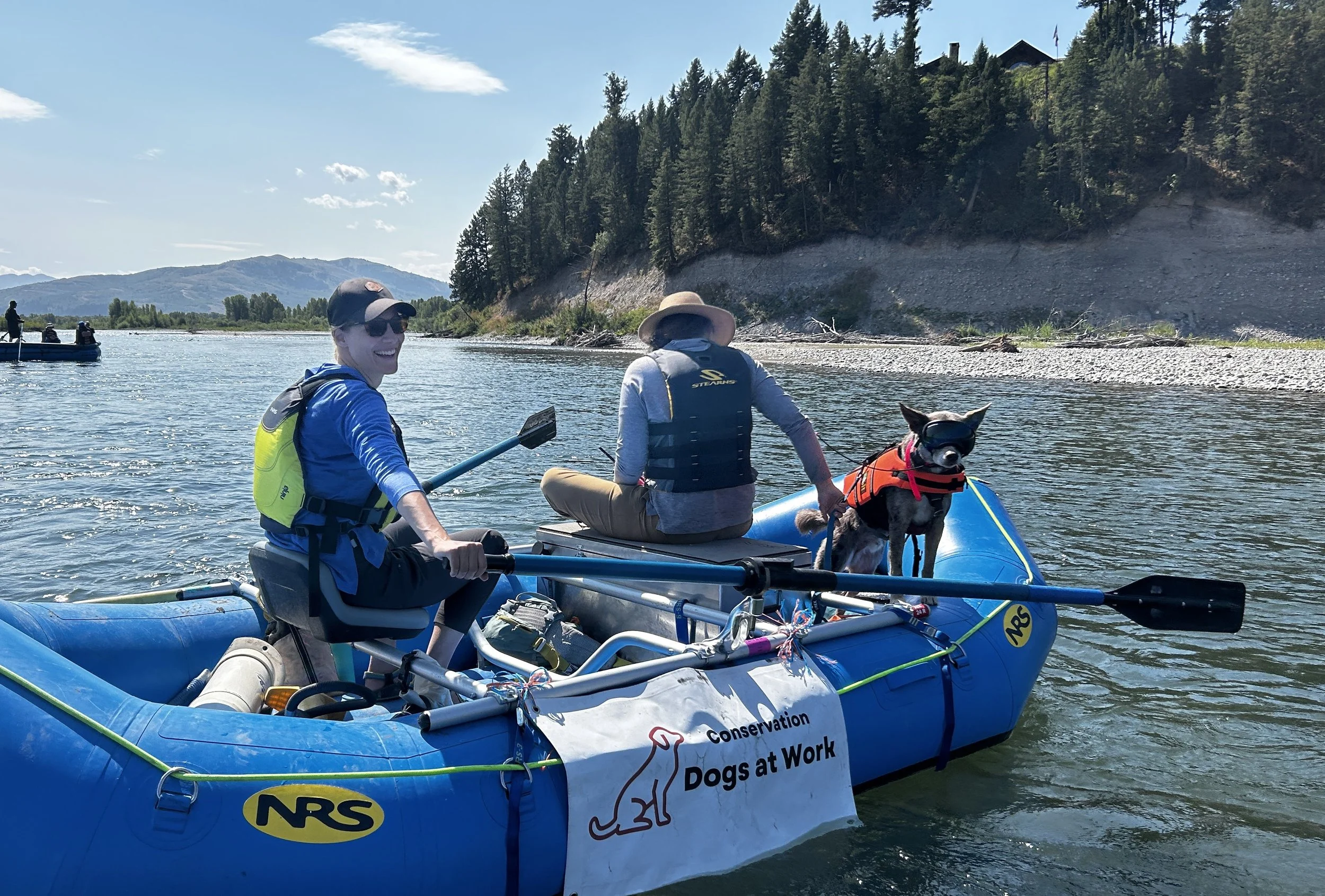
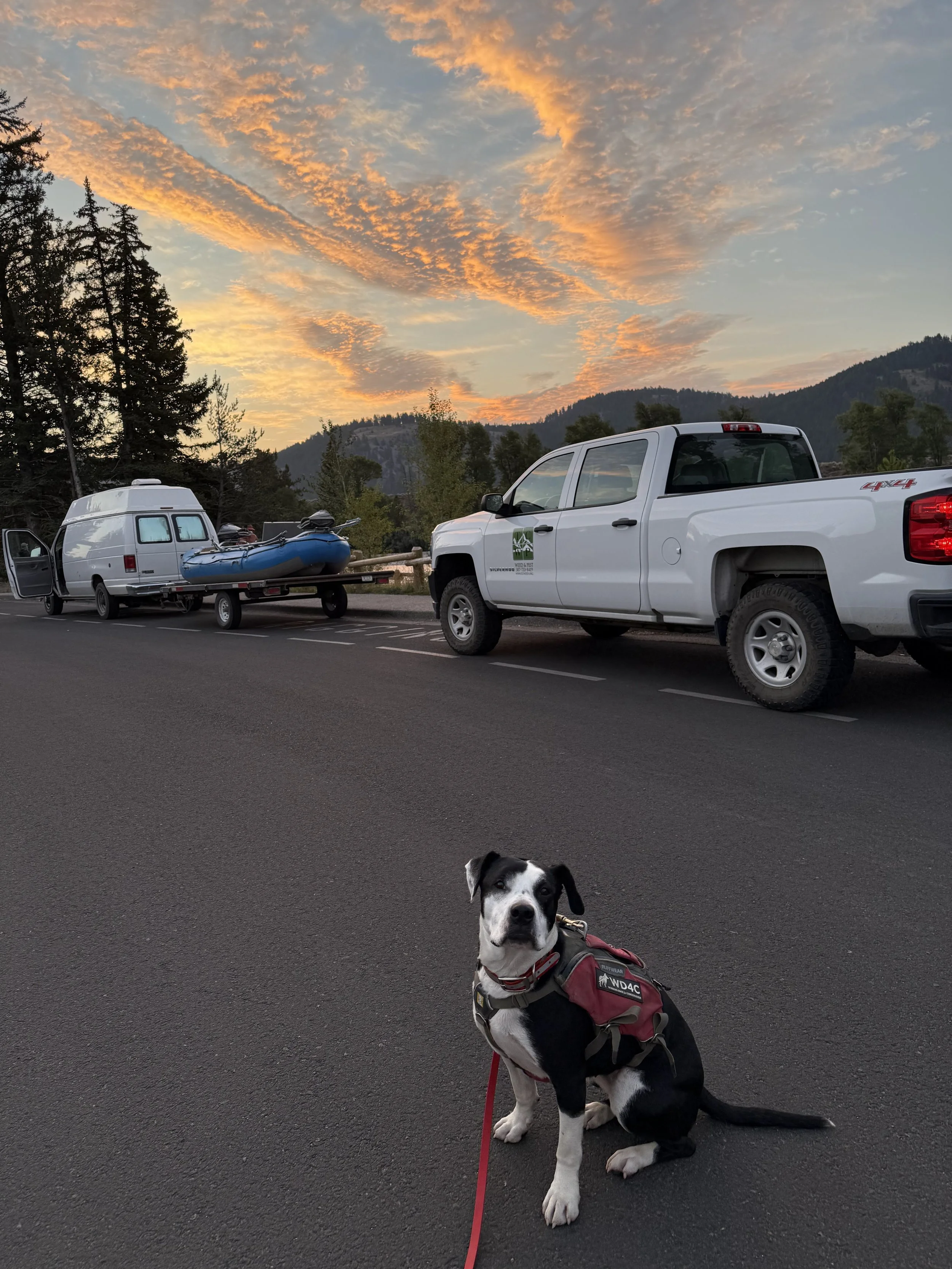
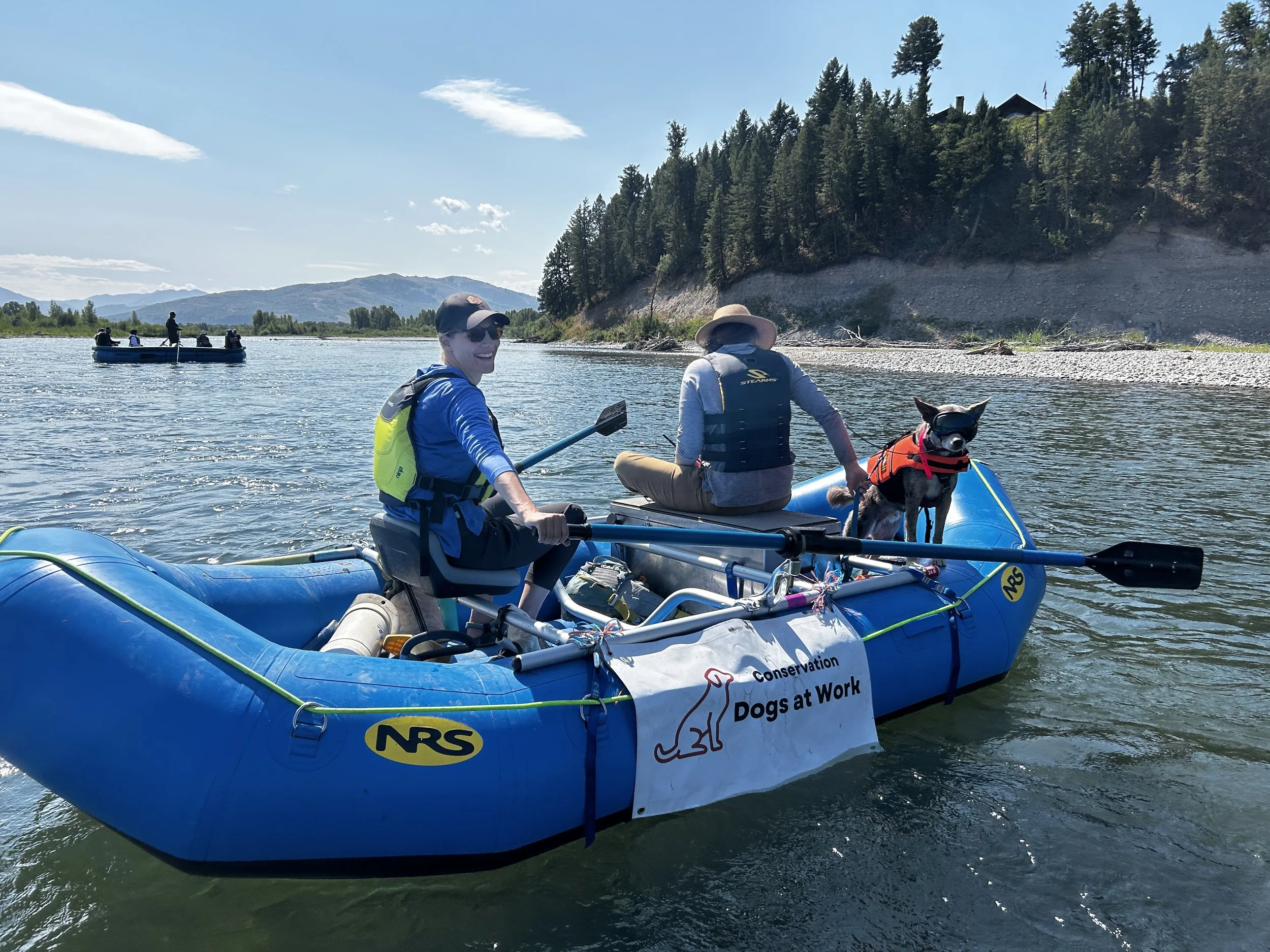
Our teams search the Snake River in Jackson Hole, Wyoming, sniffing for these plants on the many islands along this river stretch. To reach the search areas, our partners, Teton County Weed & Pest (TCWP) and volunteers row the teams downriver, ensuring each section is carefully selected, mapped, searched, and marked. Each time the teams find a plant, its location is mapped and marked, for proper and complete removal, all towards the goal of preventing further spread ultimate eradication in the region.
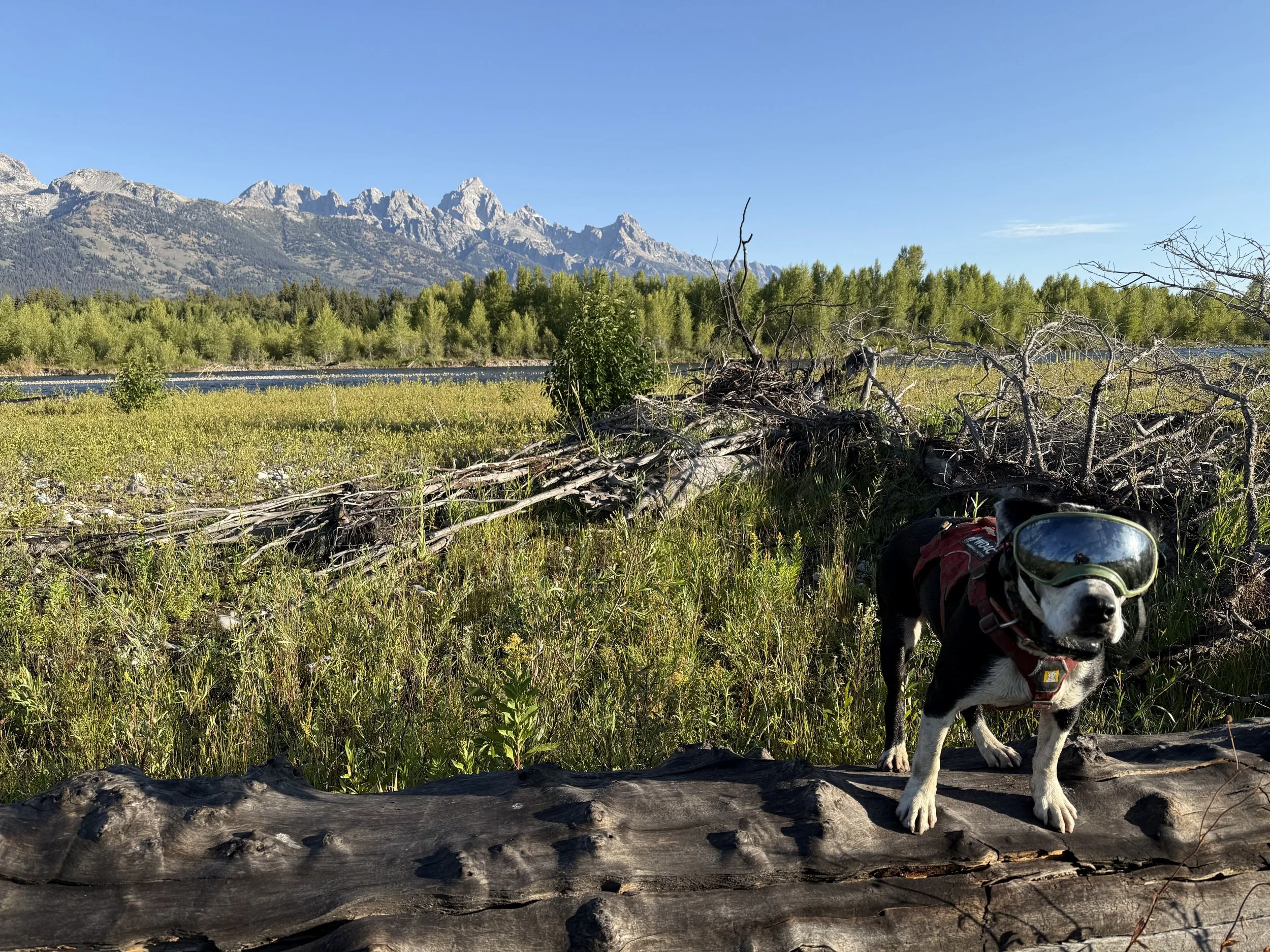
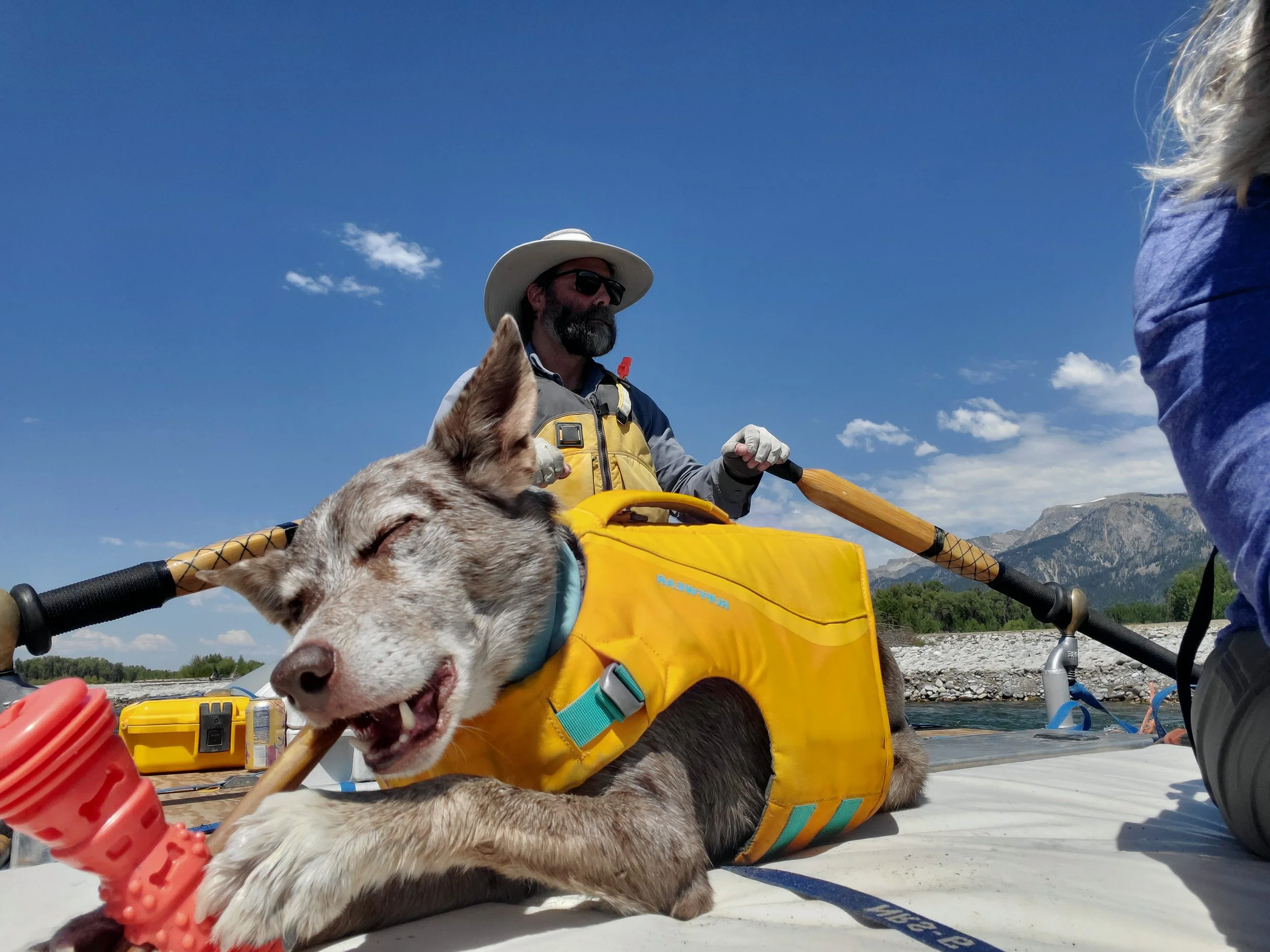
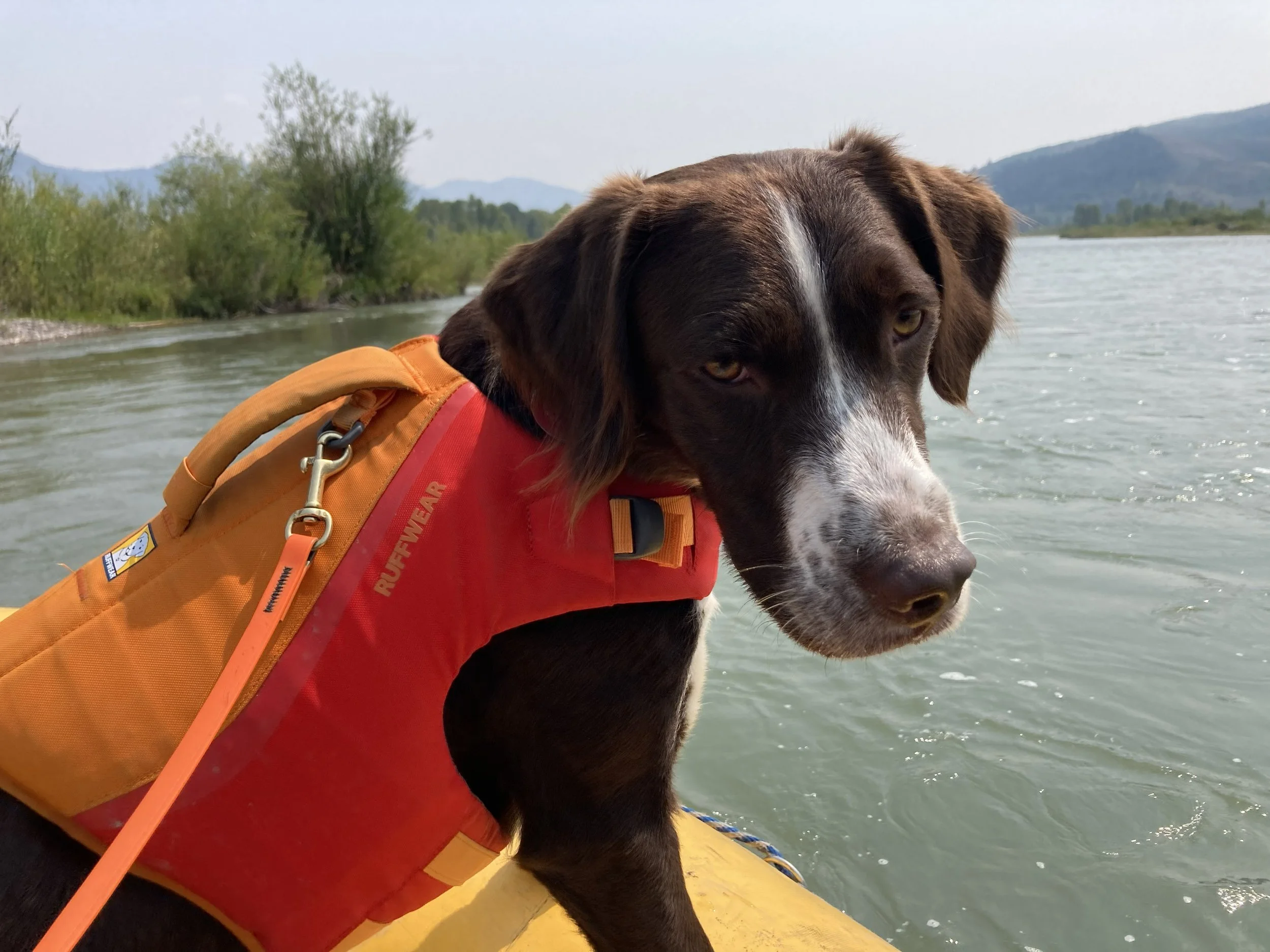
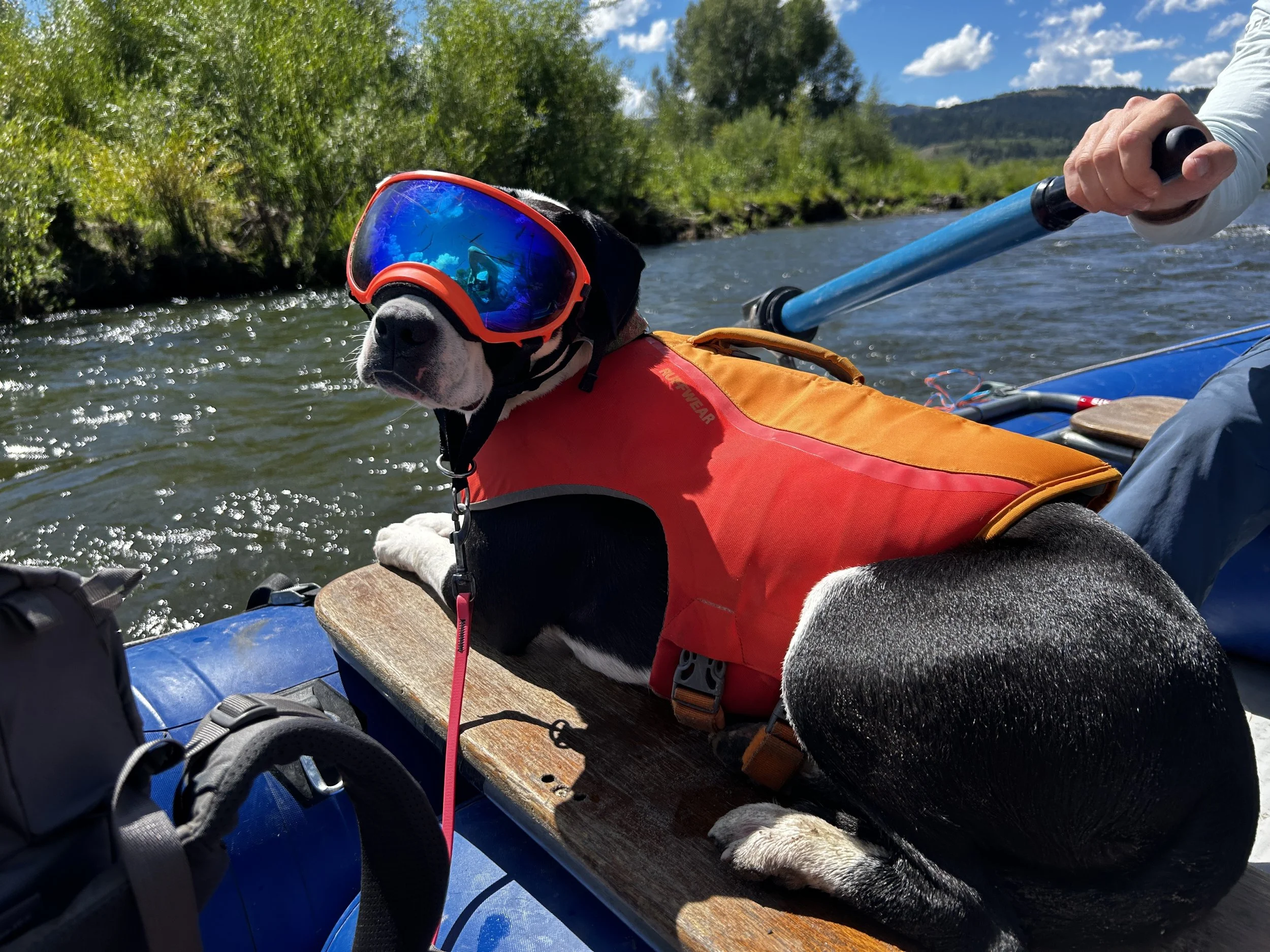
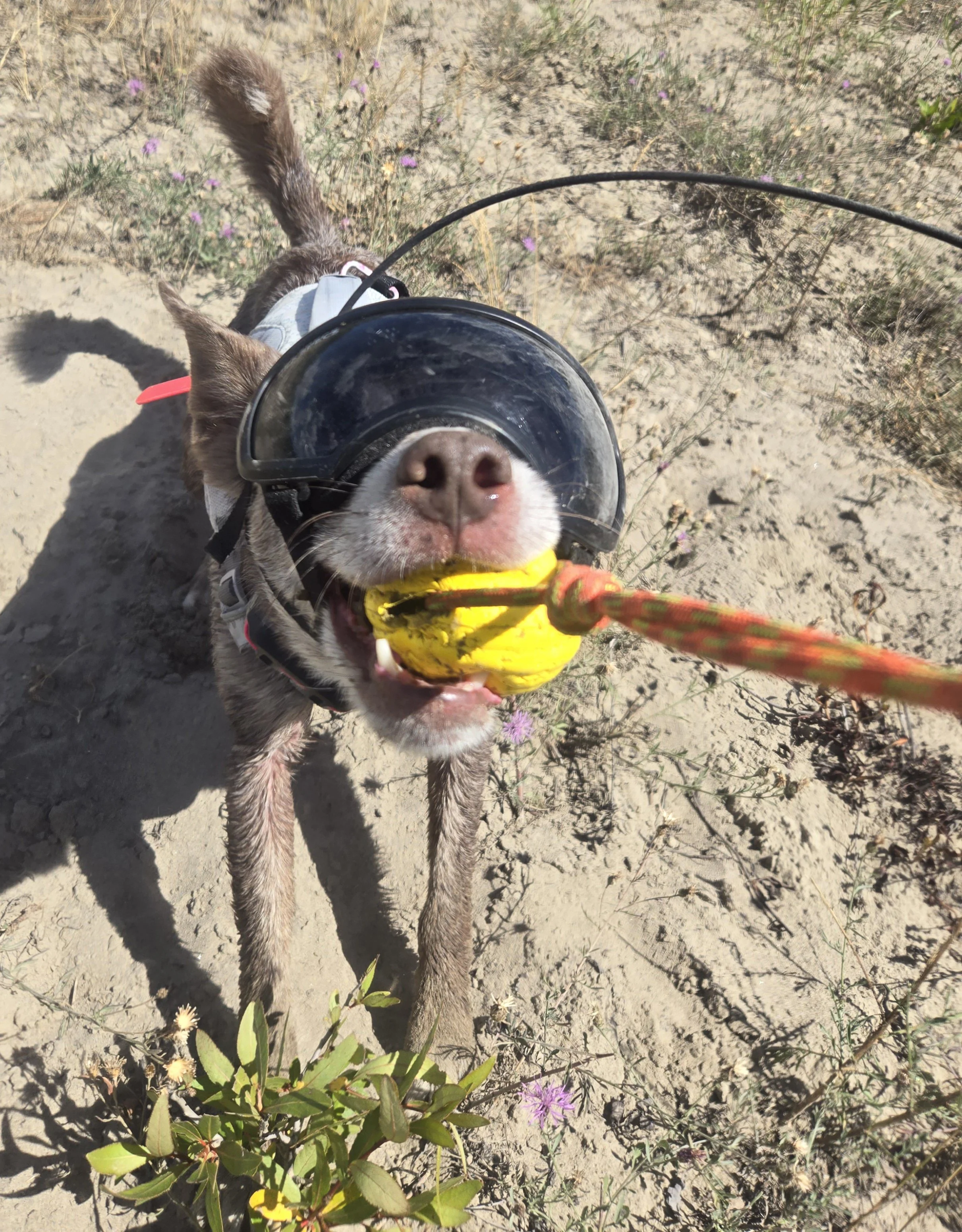
Being a good boat passenger requires extra training as well as protective measures for the dogs. The dogs wear essential river safety gear, including life vests and goggles, which protect their eyes from the glare on the water. Before deployment, teams train on boat-specific skills, such as relaxing while the boat is in motion, with the dogs to ensure everyone’s safety.
WD4C has collaborated with TCWP for nearly a decade to help eradicate invasive salt cedar and perennial pepperweed. We’ve found trained dog/handler teams to be up to 75% more effective in finding these plants than humans alone! We're thrilled to be able to make a difference in this gorgeous ecosystem. Preventing their spread, especially before these weeds go to seed, is critical to helping stop these plants from gaining more of a foothold.
See our News & Publications page for media stories and the children’s book, “Detective Dogs” featuring our work to stop these invasive plants in Grand Teton National Park.